
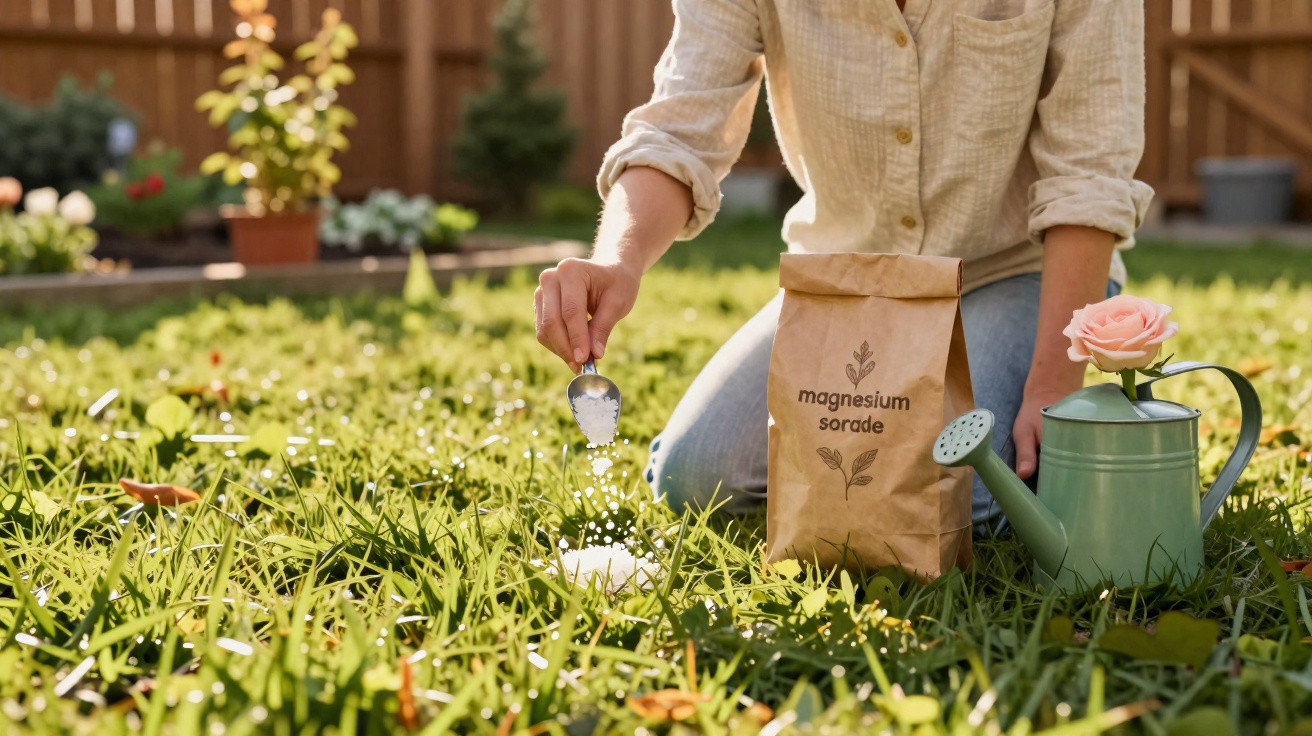
The transition between seasons is widely seen as the most sensitive time for lawn care, particularly after months of harsh cold. During this window, grass comes out of dormancy, starts growing again, and needs the right support to build strength before summer arrives-because how you treat the soil now directly affects how well the turf copes with high temperatures and limited rainfall.
Why does lawn care at this stage make such a difference?
As growth restarts, the plant channels its energy into producing fresh leaves and new roots, taking advantage of soil that is still moist and temperatures that are gradually rising. When a lawn is managed well at this point, it typically becomes thicker, develops deeper roots, shows fewer bare patches, and is less likely to need emergency fixes in summer.
It’s also the ideal time to put right winter damage, such as trampled areas, compaction, and dead patches. Straightforward steps-like light aeration, repairing thin spots, and adjusting irrigation-help prevent later issues and create a strong foundation for garden health. In regions with milder weather, this attention can continue throughout the grass’s active growing season, tailoring mowing, watering, and feeding frequency to how the green carpet responds.
What is Epsom salt on the lawn and what does it do in practice?
Epsom salt is magnesium sulphate, supplying magnesium and sulphur-two nutrients that matter to many plants. Magnesium is involved in chlorophyll production, which drives the green colour and photosynthesis, while sulphur supports protein formation and overall plant tissue vitality.
If a lawn looks dull in colour or is growing slowly, addressing a potential shortage of these elements may improve the grass’s vigour. Even so, it’s sensible to assess soil condition and, where possible, rely on a technical analysis before applying anything, to avoid unnecessary excess. Where soil already contains plenty of magnesium, using Epsom salt indiscriminately can even upset the balance of other nutrients, such as calcium and potassium.
How to use Epsom salt on the lawn safely and in a balanced way
Organic lawn-care practitioners tend to view Epsom salt as a supplementary tool within a broader care plan, rather than a stand-alone fix. One practical approach is to apply it diluted in water, in small amounts at regular intervals, and always without saturating the soil.
Used this way, nutrients are provided more gradually and, when properly measured, the approach is generally more compatible with garden wildlife. A simple application routine often follows steps like these, which can be adjusted with professional guidance:
- Dissolve a moderate amount of Epsom salt in warm water to help it disperse.
- Pour the mixture into a sprayer or a watering can fitted with a rose.
- Apply the solution evenly across the lawn, taking care not to cause waterlogging.
- Repeat the process-typically once or twice a month-according to professional recommendation.
How to use the growth period to strengthen grass with organic care
Organic care focuses on building healthy soil by combining nutrition, sound physical structure, and active microbial life. In practice, that means bringing together actions such as adding organic matter, aerating periodically, mowing consistently, and keeping irrigation under control-using supplements like Epsom salt only when there is a genuine need.
By treating the growing period as a strategic opportunity, the person responsible for the garden can track how the turf responds and fine-tune the programme more accurately. As a result, the lawn reaches summer with deeper roots, improved moisture-holding capacity, and less reliance on last-minute interventions-creating a greener carpet that is more resilient and stable throughout the year. In places with warm conditions all year round, the same principle applies across the full cycle, with extra care during times of greater water stress and extreme heat.





Comments
No comments yet. Be the first to comment!
Leave a Comment