
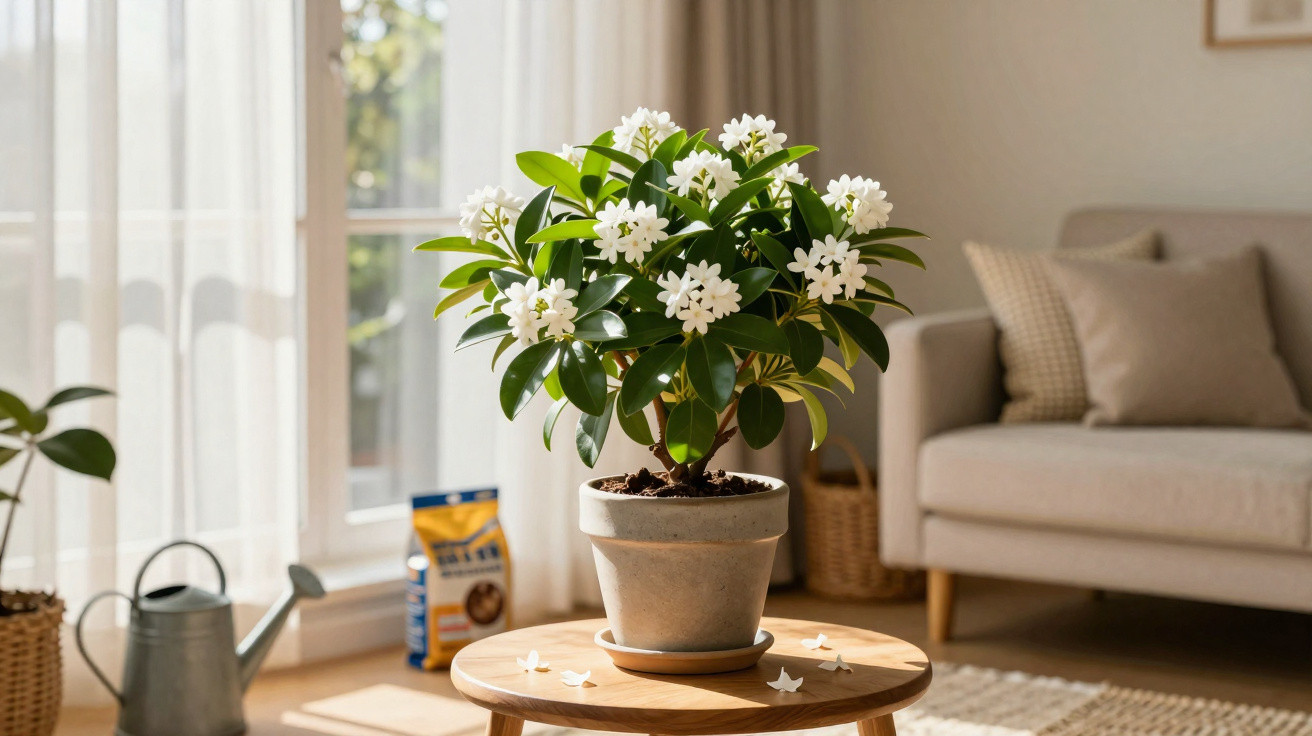
Among the many plants grown indoors, a few species stand out for their ability to scent the home without needing lots of space or fussy maintenance. The flower that perfumes the whole living room and grows well in a pot has become a popular choice for flats and homes with limited outdoor areas: all it takes is a suitable pot, the right amount of light and controlled watering to keep the fragrance present throughout the year.
What defines the flower that perfumes the whole living room?
The so-called flower that perfumes the whole living room brings together species that give off a strong fragrance even when kept in small pots. They are usually medium-sized plants, with flowers that may be subtle or showy, but always with a distinctive scent-often strongest at particular times of day or during the evening.
To do well indoors, this plant needs to cope with partial shade, moderate temperature changes and limited ventilation. When placed near windows or glass doors with filtered light, it generally flowers more readily and, with regular blooming cycles, the perfume travels easily through open-plan spaces.
Watch the video on the YouTube channel Jardineiro Amador: the content explains in detail how to manage soil, watering and light so that the Gardenia stays healthy and keeps flowering in indoor settings.
How to choose a pot and compost for a scented indoor flower?
Choosing the pot is crucial if you want the aromatic flower to grow well and fragrance the room consistently. The container should suit the plant’s size, allowing the roots to develop without becoming cramped, while avoiding an overly large volume of compost that can hold on to excess moisture.
Beyond getting the size right, a few details in the pot and the compost mix improve plant vigour and help intensify the scent, while reducing the risk of fungus and root rot.
- Drainage holes in the base, to prevent waterlogging.
- A saucer to catch excess water, without leaving the pot sitting in water.
- Breathable materials, such as ceramic or terracotta, especially in more humid spots.
- A light compost mix, with organic matter, sand and free-draining elements such as perlite.
How much light, water and ventilation does a scented flower need?
To keep the fragrance strong indoors, it is essential to balance light and watering. Most scented species prefer plenty of bright, indirect light, avoiding harsh direct sun, and they tend to thrive near east- or west-facing windows, with a sheer curtain filtering the strongest rays.
When watering, the aim is to keep the compost lightly moist. Check with your finger whether the top layer is dry to around two centimetres. Too much water leads to yellowing leaves and early drop, while too little causes flowers to wilt quickly and the scent to noticeably fade.
How to place and care for a scented flower all year round?
Where you position the pot directly affects how the fragrance spreads through the living room. Spots with good air movement-but without strong draughts-such as the route between the living room and a balcony, or a table near a window, help distribute the scent without drying the plant out too much.
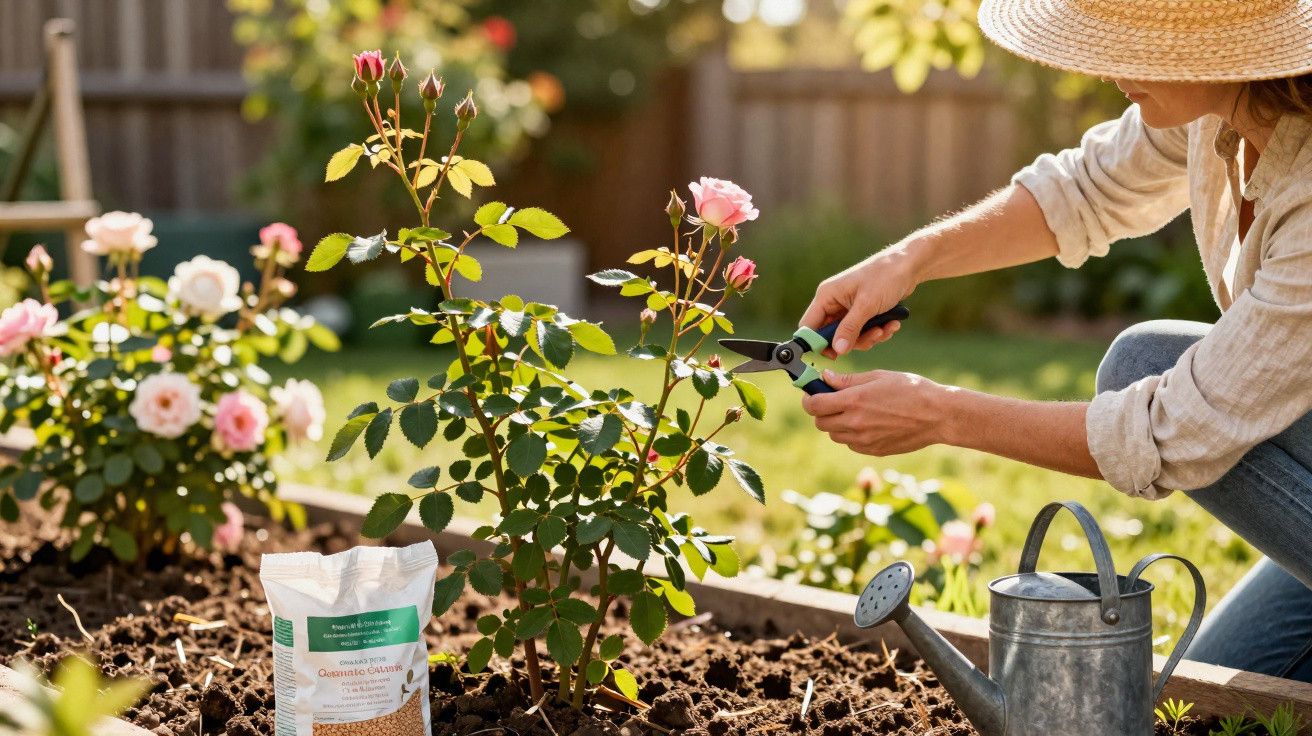
To keep the flower in good condition all year, it helps to combine a light feed designed for flowering plants with tidy-up pruning (removing spent blooms and yellowing leaves). Every two or three years, partially refresh the compost and, if needed, move up to a slightly larger pot-supporting active roots and encouraging frequent new flushes of flowers.

Comments
No comments yet. Be the first to comment!
Leave a Comment