
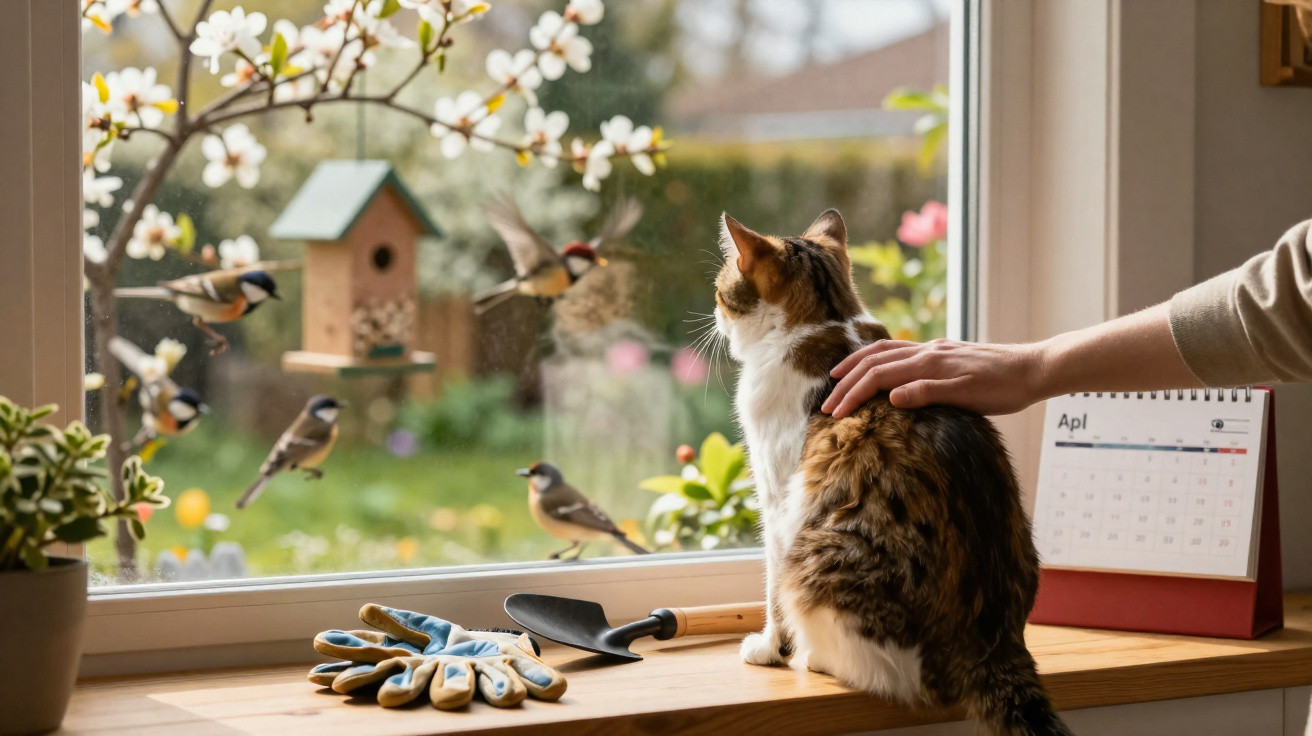
As the weather turns milder, plenty of cats start itching to go outside - but in the garden, two worlds end up colliding.
With the first warm days, countless cats across German-speaking countries are once again glued to windows and balcony doors. Every instinct in them pushes for freedom, roaming and prey. For many owners, that simply sounds like spring as usual. At the very same time, though, an extremely delicate period begins in hedges, shrubs and tree hollows - one we barely notice - and in which every cat being allowed outdoors can have serious consequences.
Spring in the garden: when birds’ love lives hit full speed
In March and April, most native bird species enter the most demanding stretch of the year. Pairs form, nests are built, eggs are laid, incubated, and later the chicks are fed almost non-stop. Gardens, in particular, become home to hidden nurseries: deep inside a hedge, behind a downpipe, in a crack in a wall or in a hollow tree.
Nest sites and fledglings are often closer than you think
Many young birds leave the nest before they can truly fly with confidence. They may then sit, apparently helpless, on the lawn, under a shrub or right beside the patio. To people, it often looks like an emergency, but in reality much of it is exactly how it is meant to be: the parents are nearby, bringing food and gradually coaxing their offspring into denser cover.
"For the bird world, the weeks in March and April are a high-risk phase - every additional stress factor can cost an entire clutch."
At the same time, long-term ornithological data shows that many populations are under pressure. In some parts of Europe, roughly a third of common bird species have become noticeably rarer over three decades. In certain places, entire sparrow colonies have almost disappeared. In a situation like that, every extra loss is like pulling another block from a Jenga tower that is already wobbling.
What cats really do outside in spring
A domestic cat rarely looks like a hunter when it is sprawled on the sofa, eating high-quality food and purring contentedly - yet outdoors it can still switch into a highly focused predator. Food is not the main driver. The reward is the sequence itself: spot, stalk, wait, sprint, grab.
What tracking studies reveal about hunting success
Research projects that fitted cats with GPS trackers and small cameras paint a consistent picture. They show that many animals catch far more than they ever carry back home. A large share of prey is left behind in the undergrowth. Estimates from countries with a cat density similar to Germany’s suggest:
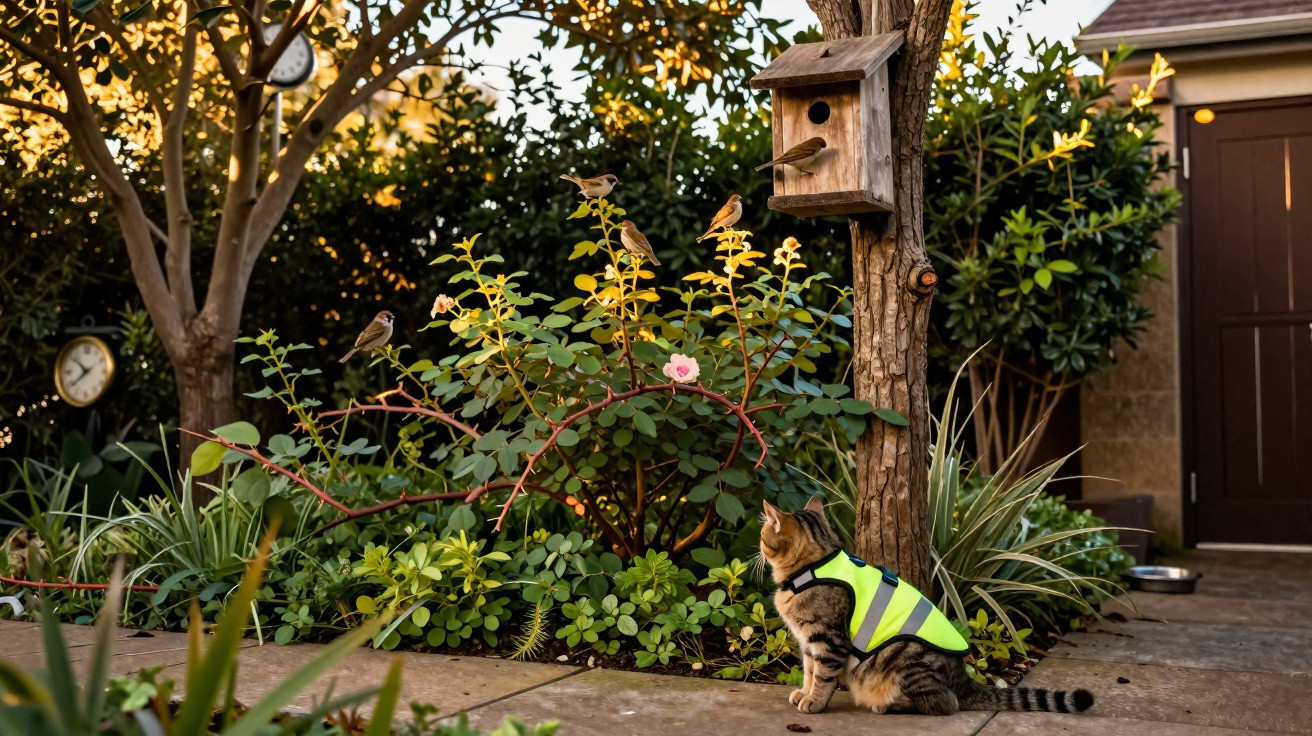
- Around two thirds of prey animals are small mammals such as mice or shrews.





Comments
No comments yet. Be the first to comment!
Leave a Comment