
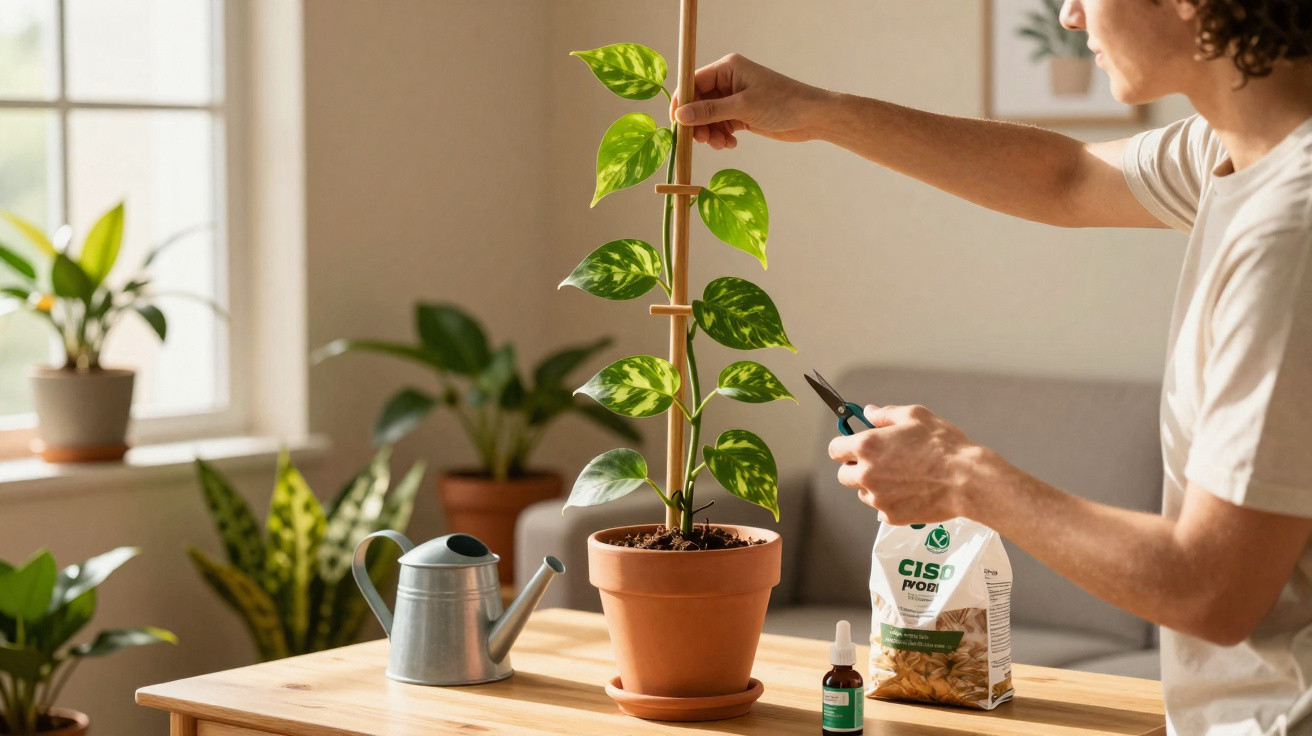
Devil’s ivy is one of the most sought-after houseplants for home decor thanks to its lush, eye-catching look. Hardy and adaptable, this foliage can completely change the feel of living rooms or city-centre offices, making it an ideal choice for anyone who wants everyday practicality.
What are the main advantages of growing devil’s ivy at home?
Keeping this plant in your space brings genuinely useful benefits that make day-to-day care easier. It offers impressive decorative versatility-it looks equally at home in hanging planters or on high shelves-and it copes very well with indirect light.
Another major plus is its rapid growth, quickly filling bare spots with striking leaves. Because it’s also easy to propagate from cuttings, you can create new plants without fuss, which makes beginner gardening a very enjoyable hobby.
How do you make devil’s ivy grow very quickly?
There’s a simple, homemade trick that can speed up leaf development noticeably and leave the stems looking fuller… Read more
How does the right light influence the development of the stems?
Devil’s ivy needs natural brightness to keep the colour of its beautiful leaves looking healthy. Placing the pot in harsh, direct sun can lead to serious scorching, which harms steady development and the natural beauty of this important species.
The best approach is to keep it in a well-chosen spot with plenty of bright, filtered light-close to large windows is ideal. This straightforward step helps photosynthesis run efficiently, supporting a constant supply of energy that drives strong, resilient new growth.
Below is a video from the Spagnhol Plantas YouTube channel that explores the points covered in this topic in more detail:
What is the secret to watering and the ideal potting mix?
Managing how damp the compost is matters a great deal if you want to prevent early root rot in delicate roots. Overwatering can quickly undermine the plant’s health, so it’s essential to use a highly free-draining potting mix that stops unwanted water build-up.
Before watering again, always check moisture by pressing a finger into the surface of the pot. This classic gardening method helps prevent common plant health issues, keeping devil’s ivy vigorous, fresh-looking, and free from pests or fungi.
Basic care
Essential items for growing
To keep your plant healthy, use the following key components:
- 1
A light, sandy potting mix; - 2
A pot with effective drainage holes; - 3
A liquid fertiliser made specifically for green foliage.
How can you prune correctly to encourage new shoots?
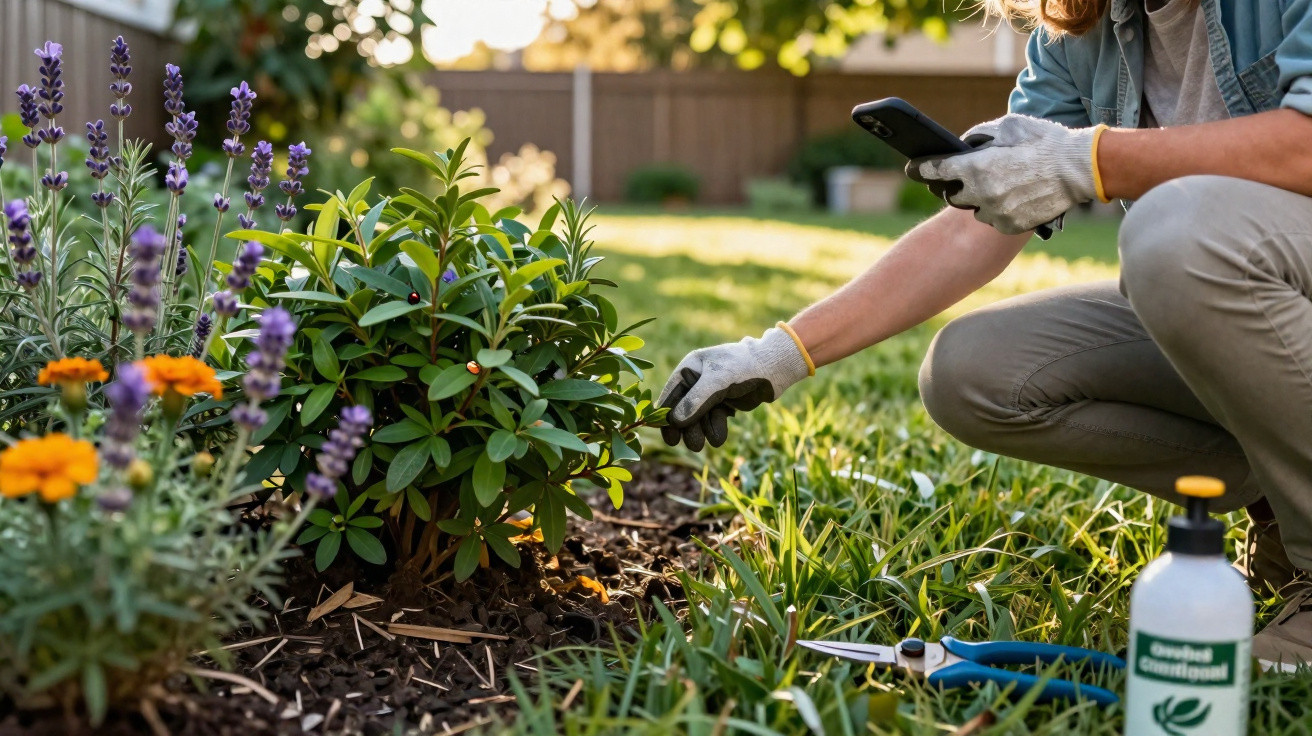
Regular pruning acts as an excellent biological trigger for producing decorative side branches. Snipping back the tips of long stems redirects essential nutrients to dormant nodes along the stem, helping it push out more voluminous foliage.
Make each cut using sharp, properly cleaned scissors, positioning the cut just above the main nodes on the devil’s ivy. This simple routine reduces the risk of plant diseases and significantly speeds up recovery of the plant’s structure.
See below the main tools recommended for handling ornamental plants properly:
- Sterilised pruning shears;
- Comfortable protective gloves;
- A multi-purpose water mister.
Why does balanced fertilising make a difference to growth?
Providing the right nutrients regularly helps the plant produce glossy, healthy green leaves. Foliage-specific fertilising replaces essential minerals that the compost gradually loses over months of growing.
Choose high-quality feeds during the warmer seasons, when natural vegetative development is at its peak. Keeping up this practice helps devil’s ivy withstand biological stress, supports impressive leaf renewal, and results in noticeably denser stems.
Comments
No comments yet. Be the first to comment!
Leave a Comment