
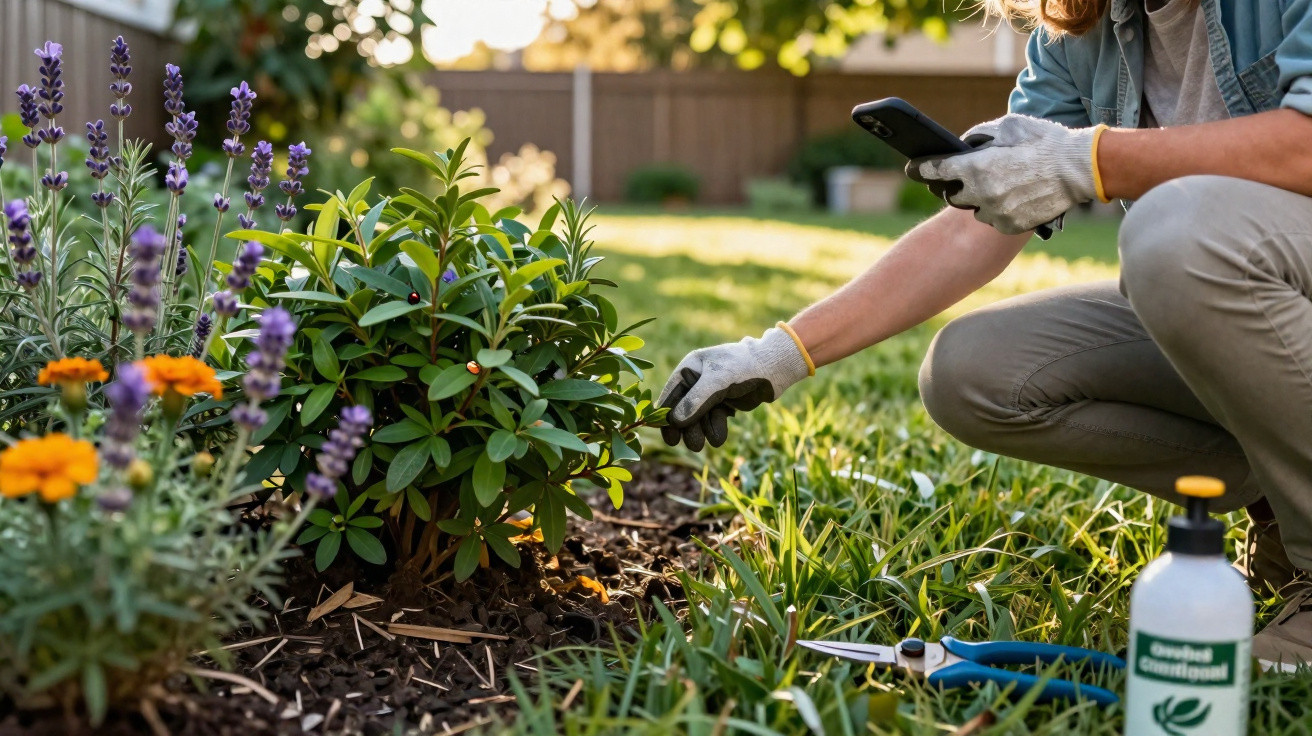
Looking after a garden is a pleasure for many people, but the look of the plants does not always tell the full story. Some darker, damper areas can end up becoming the perfect hiding place for ticks, ready to latch on to anyone who walks past.
The corner of the garden ticks love most
Ticks do not settle just anywhere. They actively look for places that are damp, shaded and packed with foliage-exactly the sort of conditions that can appear unnoticed in many back gardens.
Without meaning to, a well-kept garden can bring several of these factors together at once. Long grass, thick leaf cover and low ground plants quietly create an open invitation for these parasites to stay nearby.
- Long grass: when it is left uncut, the blades act as cover and a waiting point, making it easier for ticks to cling to whoever passes.
- Ferns: dense fronds form a humid microclimate, ideal for ticks to shelter, survive and multiply.
- Ivy and ground-cover plants: low, compact growth keeps the soil in constant shade, which is exactly what these parasites use to stay hidden.
- Unpruned shrubs: mulberry and hazel, when allowed to grow unchecked, can become tight thickets that provide extra refuge.
- Dense conifers, such as thuja: branches growing close together block sun and airflow, helping parasites persist.
A charming garden can hide a quiet risk
Many people plan their planting purely around appearance, without realising that plant choice also affects whether ticks show up in the garden. A bed filled with ferns or ivy, for instance, can look purely decorative at first glance.
That does not mean these plants have to disappear. The key is knowing which species deserve closer attention and keeping up a few simple maintenance habits throughout the year-especially in summer.
The thicket that grows before you realise it
Shrubs such as mulberry and hazel can quickly become the ideal hideout for ticks if the branches are left uncut for a while. The denser the thicket becomes, the more likely it is to harbour these parasites.
A simple habit that makes a difference
Regular pruning is your biggest ally
Keeping shrubs and conifers neatly trimmed prevents vegetation turning into a damp, closed-off thicket-exactly the type of environment ticks prefer when they settle in.
The same applies to plants such as thuja, where branches sit very close together. Opening the foliage up and improving air circulation greatly reduces the number of hiding places available in the garden.
You tend to see the impact quickly. A better-aired garden looks noticeably more attractive and, at the same time, becomes far less appealing for these parasites to lurk in.
Why it is worth paying attention to this
Tick bites can transmit diseases, and reducing direct contact with these parasites starts with how the garden is maintained. This matters even more if children or pets spend time moving around the garden.
Mowing regularly-ideally every two weeks during the growing season-already makes a lawn far less welcoming for ticks to establish themselves.
Plants that are on your side in this
Some species can help because their scent tends to deter ticks. Lavender, lemon balm and rosemary are strong options for planting as a natural barrier, while also adding fragrance to the garden.
Ultimately, keeping ticks away comes down to paying close attention to the small details. Minor changes to pruning, mowing and plant selection can make a big difference to enjoying your garden with greater peace of mind.
Did you enjoy learning these garden details? Share this with someone else who also spends time with their hands in the soil, looking after their own garden.



Comments
No comments yet. Be the first to comment!
Leave a Comment