
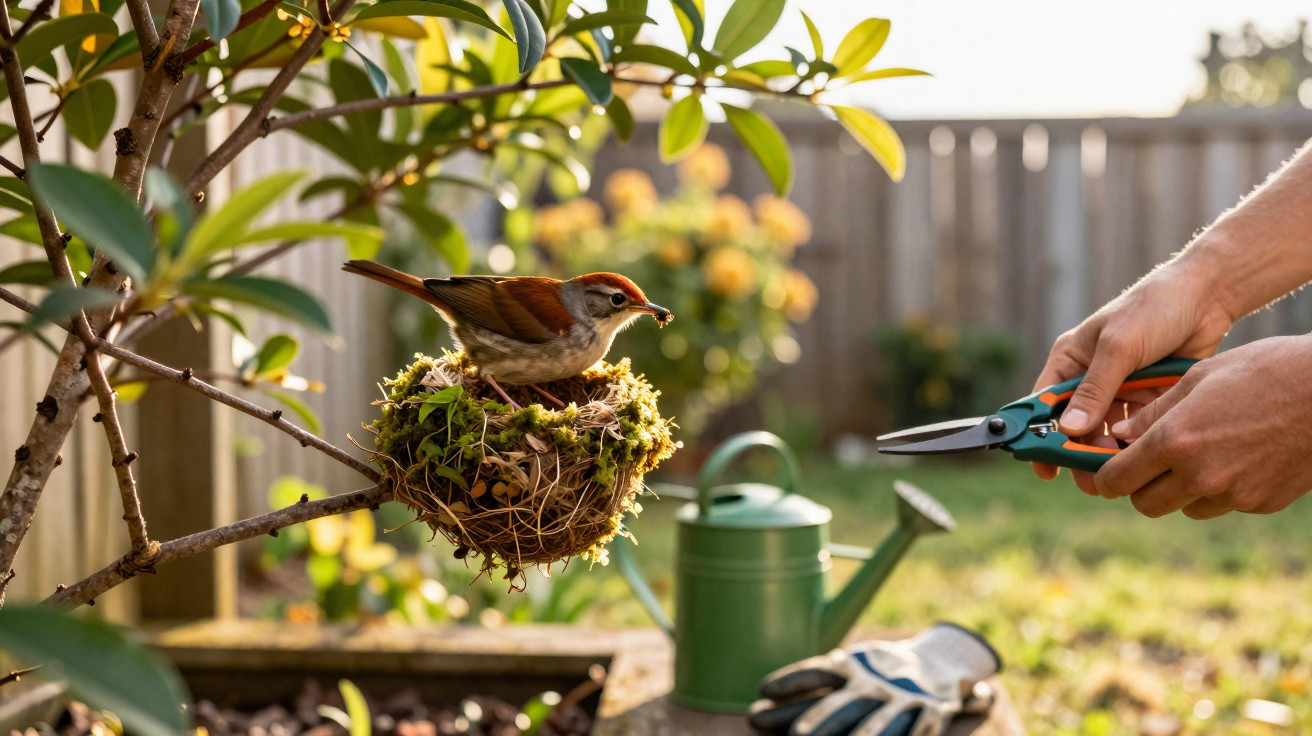
Coming across a sabiá-laranjeira moss nest in the garden tends to catch any resident’s eye. Watching the bird coming and going, carrying twigs and food, shows that the spot is more than a simple resting place and points to an area with enough resources for feeding, shelter and breeding-something increasingly uncommon in densely built-up urban neighbourhoods.
What does the presence of the sabiá-laranjeira in the garden reveal?
The sabiá-laranjeira (Turdus rufiventris) is widely found across Brazil and is well adapted to gardens, squares and backyards. When it selects a place to nest, it checks for calm conditions, a supply of insects, fruit and water, and also some level of protection from predators and constant disturbance.
A nest that is built and used is a sign that the garden provides the minimum conditions needed for the breeding cycle, from laying eggs through to the young birds leaving the nest. Because it also feeds on fruit, the sabiá helps disperse seeds, supporting vegetation regrowth and helping to sustain small green pockets within urban areas.
Why is a moss nest considered an indicator of environmental quality?
A sabiá-laranjeira moss nest often signals a healthy level of ecological balance in the garden. By using mosses, fine roots, twigs and dry leaves, the bird helps create a steadier microclimate for the eggs, with temperature and humidity kept more stable, which improves the likelihood of breeding success.
As well as enhancing the setting with its song, the sabiá supports natural pest control by eating insects and larvae. In general, gardens chosen by this bird tend to share features such as:
- Good plant diversity, with trees, shrubs and areas of lawn or leafy ground cover;
- Plenty of insects and small invertebrates that feed both adults and chicks;
- Access to water, such as small puddles, taps, bird drinkers or damp soil;
- A relatively quiet environment, with less sudden movement from people and domestic animals.
How can you protect the nest and encourage the sabiá-laranjeira to return?
To keep the nest secure, it is essential to avoid getting too close, taking photos from very short range or touching the structure-actions that can cause the birds to abandon it. Whenever possible, reduce the flow of people near the nest, particularly at the times when the adults are most actively feeding the chicks.
It is also important to limit access for curious cats and dogs, which can knock the nest down or damage it. During the breeding season, postpone heavier pruning and minor building work, and try to keep the garden planted with native fruit-bearing species and provide points of clean water, which increases the chance of the sabiá returning in following years.
What everyday care should you take when living alongside the nest?
Sharing your space with an active nest usually only requires small changes to your routine, with an emphasis on avoiding major disruption. Loud noise close to the nest, bright lights aimed directly at it at night, and excessive use of pesticides can affect both the birds’ behaviour and the food available to them.
Encouraging children to watch from a distance, keeping the garden tidy with more ecological maintenance, and respecting the timing of the breeding cycle all help the chicks fledge safely. When that happens, the resident can be confident the space provided the minimum the species needs to reproduce-and it often becomes a place the birds return to in future seasons.
Comments
No comments yet. Be the first to comment!
Leave a Comment