

Rosemary is increasingly taking the place of lavender in the gardens of people who want fragrance, visual appeal and minimal effort. Like lavender, it thrives in sunshine and free-draining ground, yet it tends to be more useful day to day: as well as being aromatic and decorative, you can also pick it to season food.
Why is rosemary gaining ground instead of lavender?
Lavender is striking and strongly scented, but it can struggle in very humid areas, in heavy soils, or anywhere drainage is poor. Rosemary also dislikes waterlogged conditions, although it generally settles well into dry beds, pots, edging schemes and Mediterranean-style gardens when it gets direct sun and lighter soil.
Royal Horticultural Society growing guidance notes that rosemary needs a sunny, sheltered position with well-drained soil. For container growing, it recommends a pot at least 30 cm wide and 30 cm deep, with drainage holes.
What makes rosemary so resilient?
Rosemary is an evergreen shrub with narrow, firm, highly fragrant leaves. Once it has established, it copes with dry spells and asks for little attention-provided it is not left in soil that stays wet.
The Missouri Botanical Garden describes the plant as well suited to dry to medium, well-drained soils in full sun, with good drought tolerance after it becomes established. The same source warns that heavy, poorly drained soils can seriously harm the plant.
How to plant rosemary in the garden
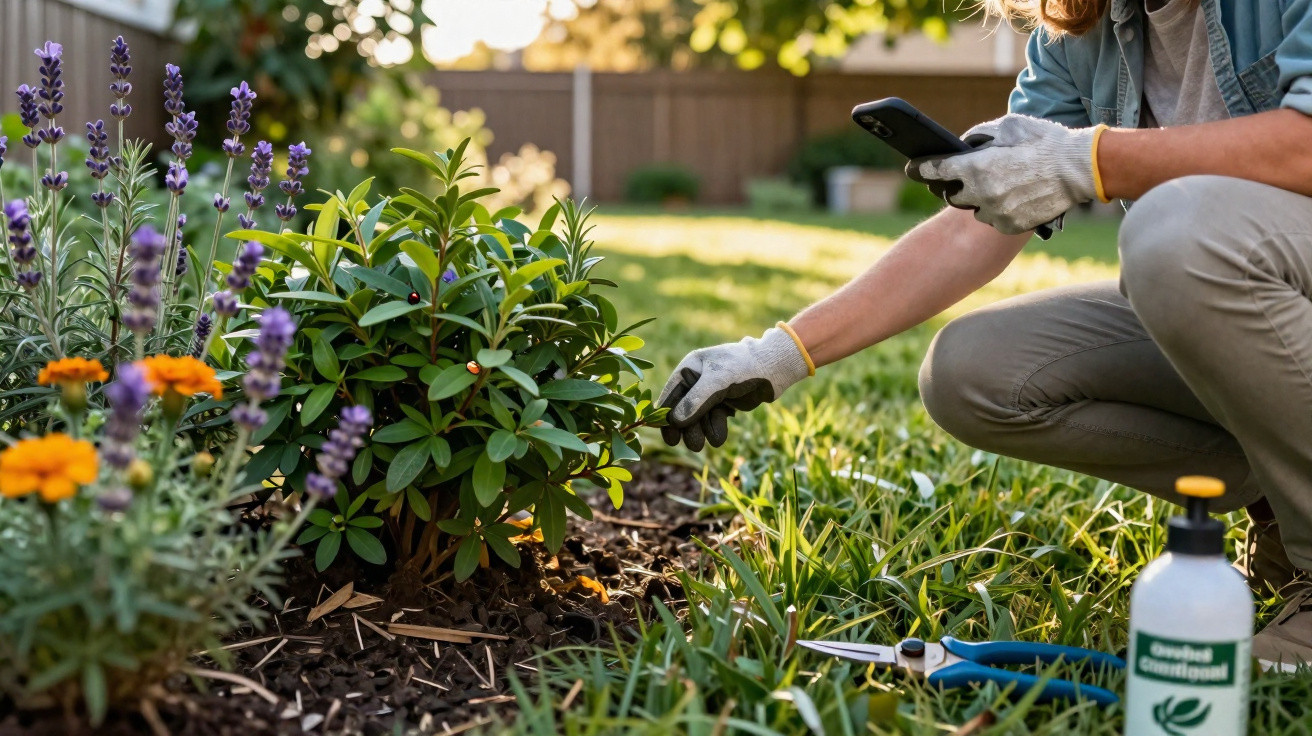
Plant it in a spot that receives plenty of sun, ideally where rainwater will not sit. If your ground is clay-based or compacted, improving drainage is key: work in well-rotted organic matter and other materials that help create a looser, lighter structure.
To give your planting the best chance, use this as a starting point:
- choose a position with several hours of direct sun each day;
- avoid places where water pools after rain;
- leave about 45 cm between plants;
- do not set the plant too deep in the ground;
- water more carefully only during the first few weeks.
How to care for it and keep the aroma and looks
Rosemary develops its strongest scent when it grows somewhere bright and warm with moderate watering. Too much water weakens the roots and can lead to rot, while light trimming helps keep the plant compact and bushy.
Rosemary should be pruned gently, taking off the soft new tips to encourage branching. It is best to avoid cutting hard back into old, woody growth, as the plant may struggle to reshoot from those tougher sections.
Does it also work in pots on a balcony?
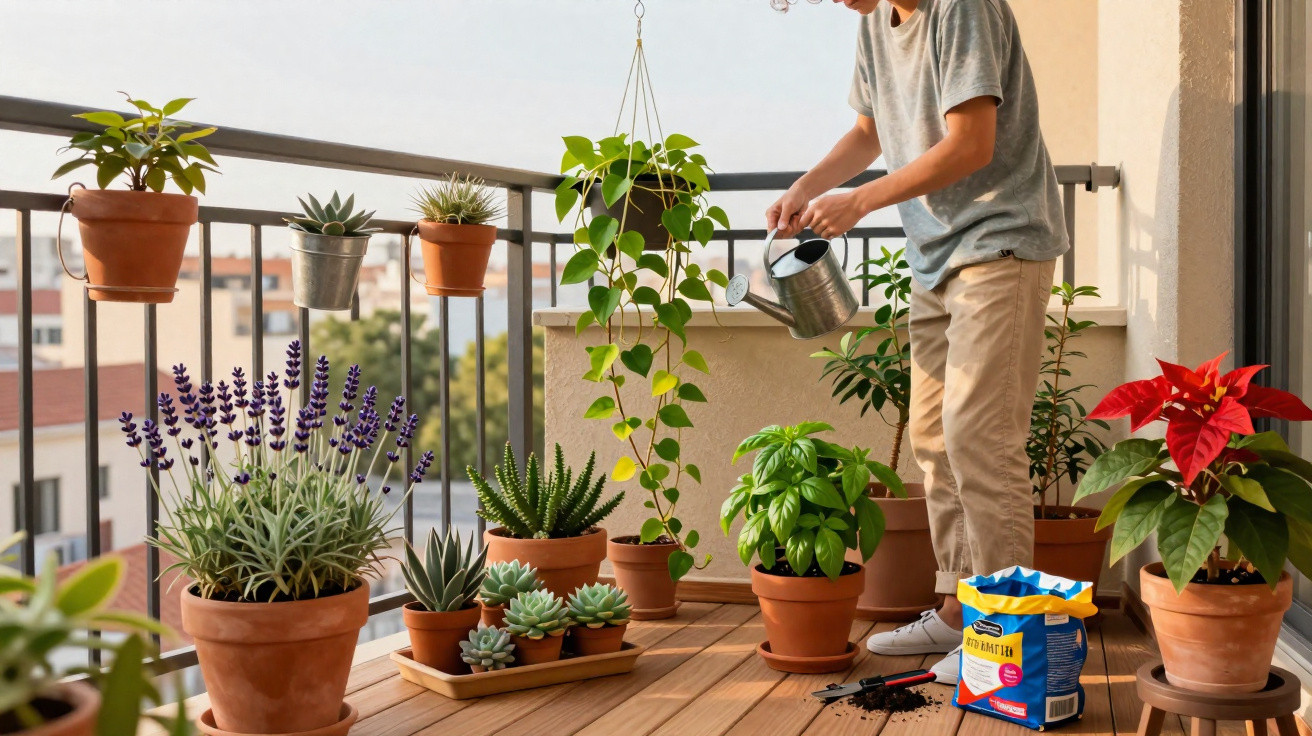
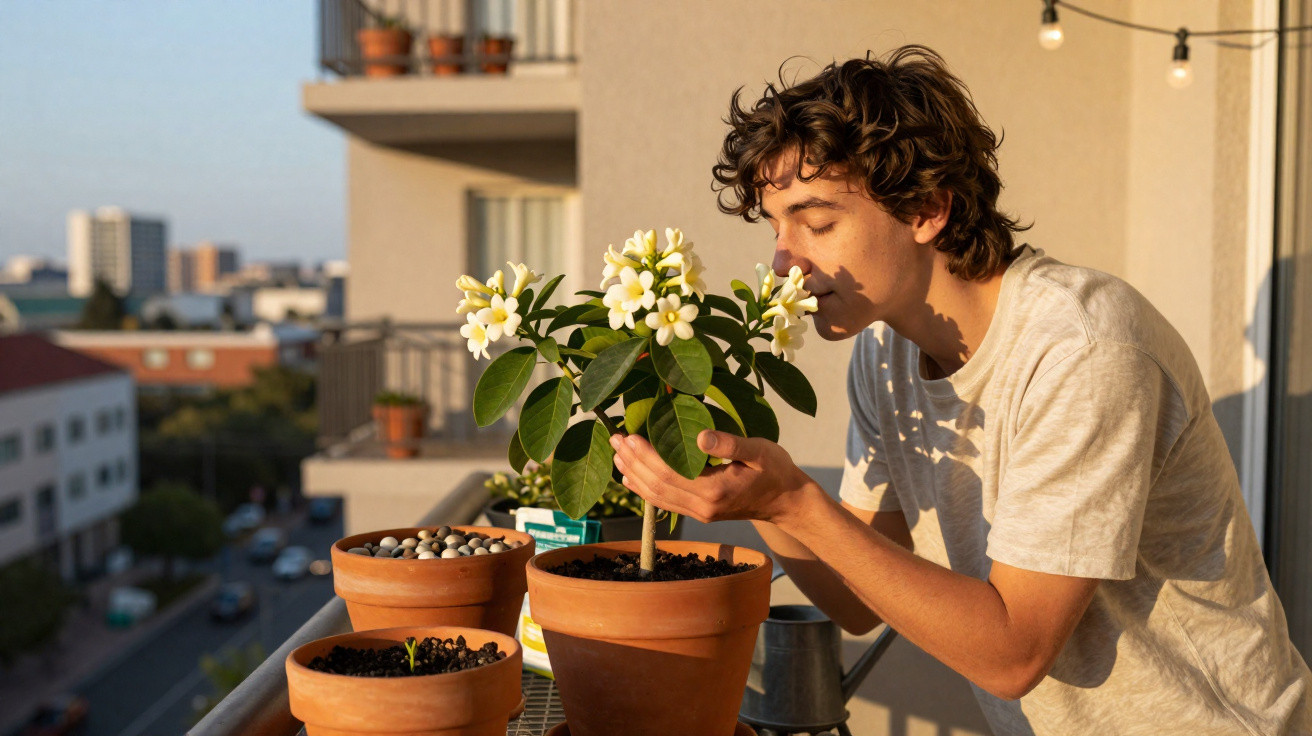
Yes. Rosemary performs very well in pots, as long as the container is deep, has drainage holes and sits in a sunny position. On smaller balconies, it can replace lavender as a fragrant focal point near benches, windows or eating areas.
A few container habits make a real difference:
- use a light, free-draining compost;
- avoid leaving the pot standing in a saucer of water;
- place it in the sunniest part of the balcony;
- let part of the compost dry before watering again;
- harvest sprigs gradually, without stripping the whole plant.
Why does this plant suit low-maintenance gardens?
The ideal plant to replace lavender is one that provides scent, toughness and visual impact without needing constant care. Rosemary fits that role well because it stays green, copes with strong sun, attracts pollinators when it flowers, and supplies leaves that are useful in the kitchen.
In the garden or on the balcony, the key is to recreate what the plant naturally prefers: lots of sun, light soil and little standing water. With these straightforward basics, rosemary can deliver a fragrant, attractive and hardy space without frequent upkeep to remain healthy.
Comments
No comments yet. Be the first to comment!
Leave a Comment