
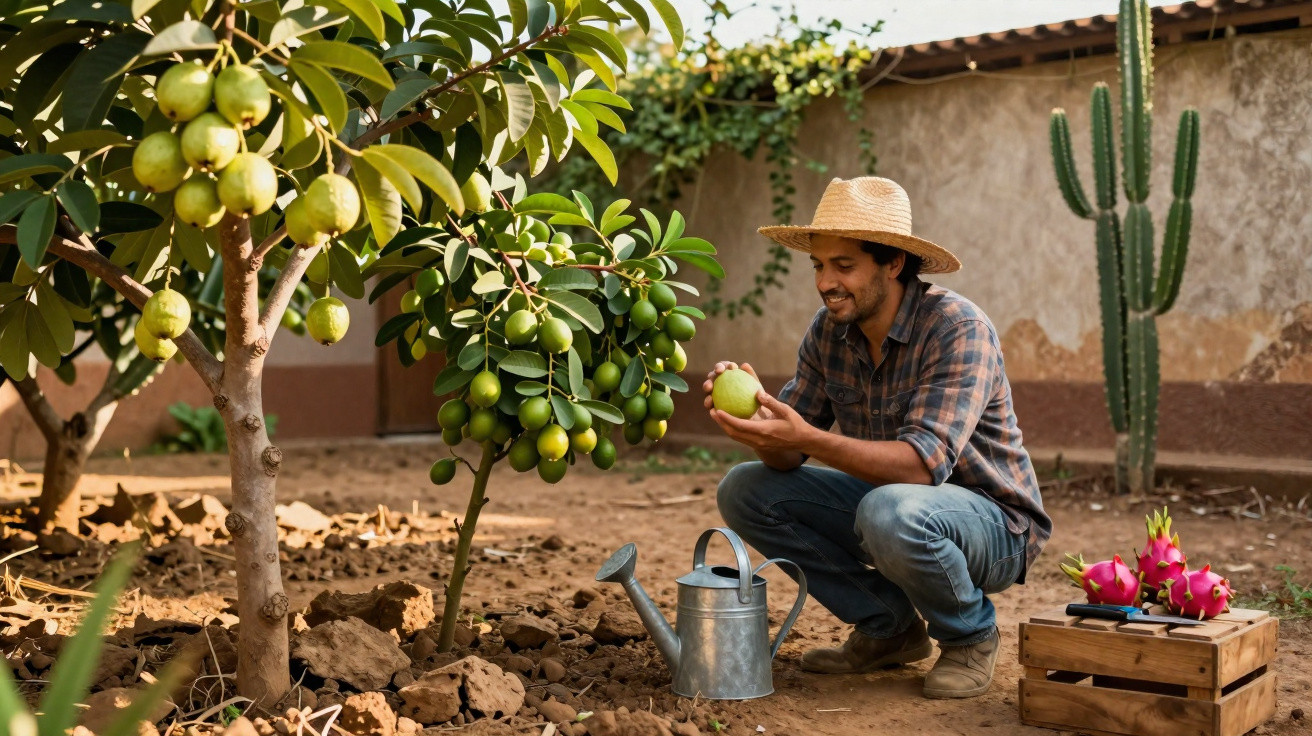
A thriving home orchard can fit even into compact outdoor spaces, letting you pick fresh produce without needing to spend every day on upkeep. By choosing robust, low-fuss trees, you can enjoy year-round greenery and generous harvests for decades-ideal for anyone who wants practicality in day-to-day life.
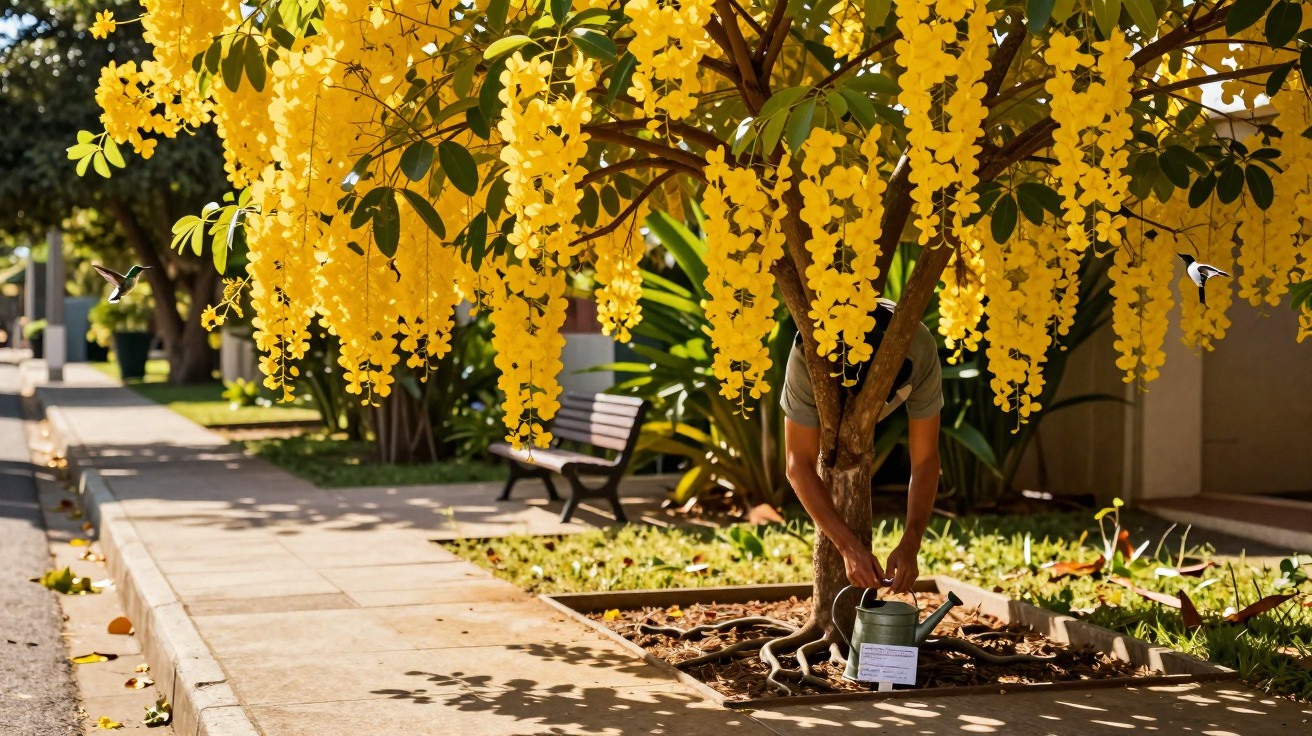
This standout plant has become a favourite in small gardens because it bears fruit quickly, copes well with heavy clay soil, and even helps keep pests at bay.
How do you grow fruit trees with minimal maintenance?
Putting together a small orchard at home starts with smart plant selection for your outdoor area. Choosing trees that handle changing weather and a range of soil types cuts down on hard work, making gardening far more enjoyable and productive.
In practice, the essentials are straightforward: controlled watering and simplified organic feeding are usually all that’s needed to keep these plants in good condition. That way, you can spend your free time relaxing in the garden while nature does the heavy lifting and produces tasty fruit with little intervention.
A few sensible choices can make day-to-day care much easier in a home garden:
- Avocado tree with deep roots;
- Guava tree that adapts easily;
- Pitaya (dragon fruit) that needs very little water.
What are the benefits of hardy species in the garden?
Hardy plants bring peace of mind for homeowners who travel often or have demanding city routines. These trees cope well with dry spells and don’t require constant pruning, so they maintain the look of your landscaping with minimal effort.
On top of that, long-lived fruit trees can deliver consistent harvests for up to thirty consecutive years without requiring major spending. This advantage turns any unused patch of ground into a highly sustainable, valuable space thanks to reliably abundant crops.
Below, there is a video from the YouTube channel Spagnhol that explores the points discussed in this topic in more depth.
Why choose white sapote and Mexican lime?
White sapote stands out for its remarkable toughness and sweet fruit that tends to suit local tastes. Mexican lime, meanwhile, brings just the right sharpness for juices and a wide range of seasonings, and it grows vigorously with minimal intervention.
These two unusual options can adapt well to sunny gardens in Brazil without the need for complicated chemical fertilisers. They are a strong choice for adding ornamental value while producing healthy food naturally, without pesticide use.
Rustic Growing Kit
Low-maintenance species
See the essentials you need to start your orchard without hassle:
- Certified saplings of white sapote and Mexican lime;
- Sandy soil enriched with simple organic matter;
- Basic tools for occasional watering during winter.
How do pitaya and the guava tree save you time?
Pitaya is a cactus that stores water extremely efficiently, so it doesn’t need daily watering, even during intense summer heat. In a similar way, the guava tree tolerates heavy pruning and reshoots very readily, providing pleasant shade and sweet-tasting fruit.
Both plants are naturally very resilient and help deal with common pests without the gardener needing constant monitoring. They support a more relaxed routine-ideal for anyone who wants to enjoy produce picked straight from the plant with ease.
The main practical advantages of these plants include:
- Genuine water savings;
- Resistance to local insects;
- Fast growth in large pots.
Is it worth investing in an avocado tree (Persea americana)?
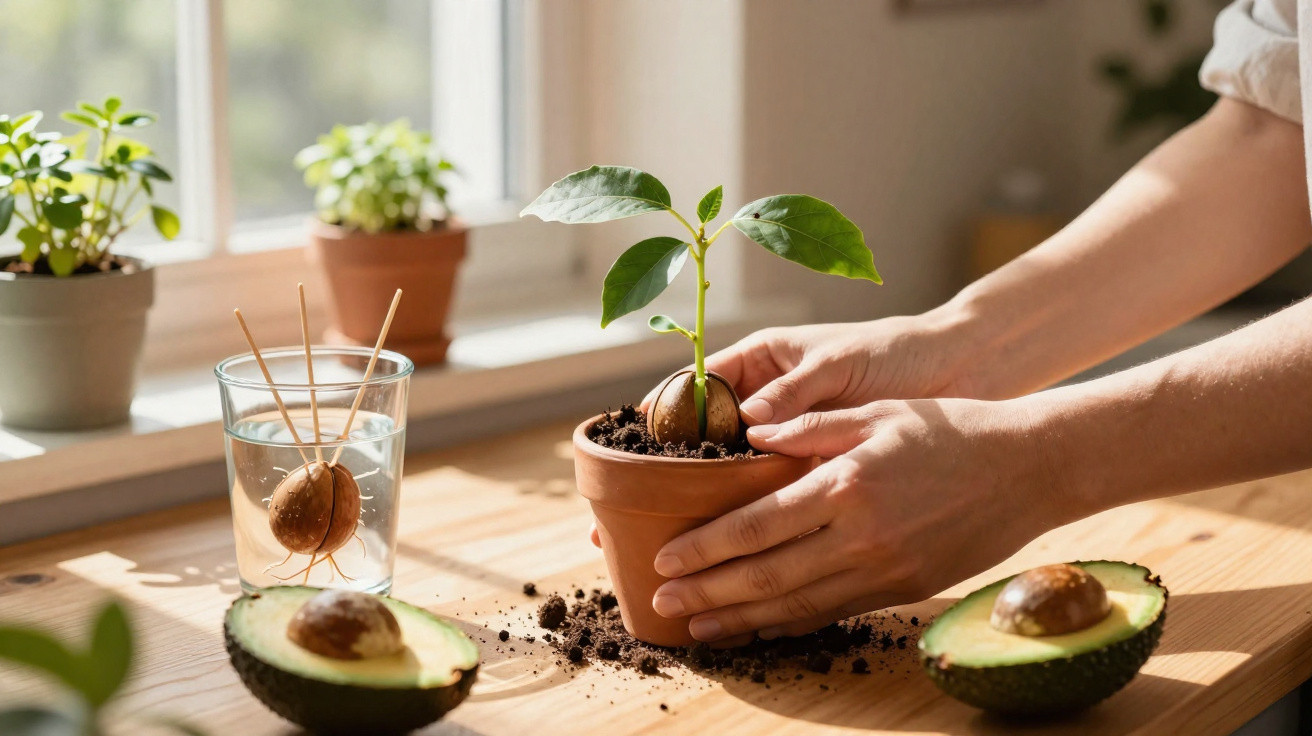
The avocado tree, Persea americana, is known for its impressive size and its high yields of fruit rich in healthy fats. It needs room to develop, but it pays the homeowner back with dense shade and generous fruiting.
Given the light maintenance demands and long productive lifespan, this Mexican fruit tree is one of the best options for smallholdings or larger gardens. An initial outlay on a high-quality sapling can deliver delicious returns and memorable moments with family together.
Comments
No comments yet. Be the first to comment!
Leave a Comment