
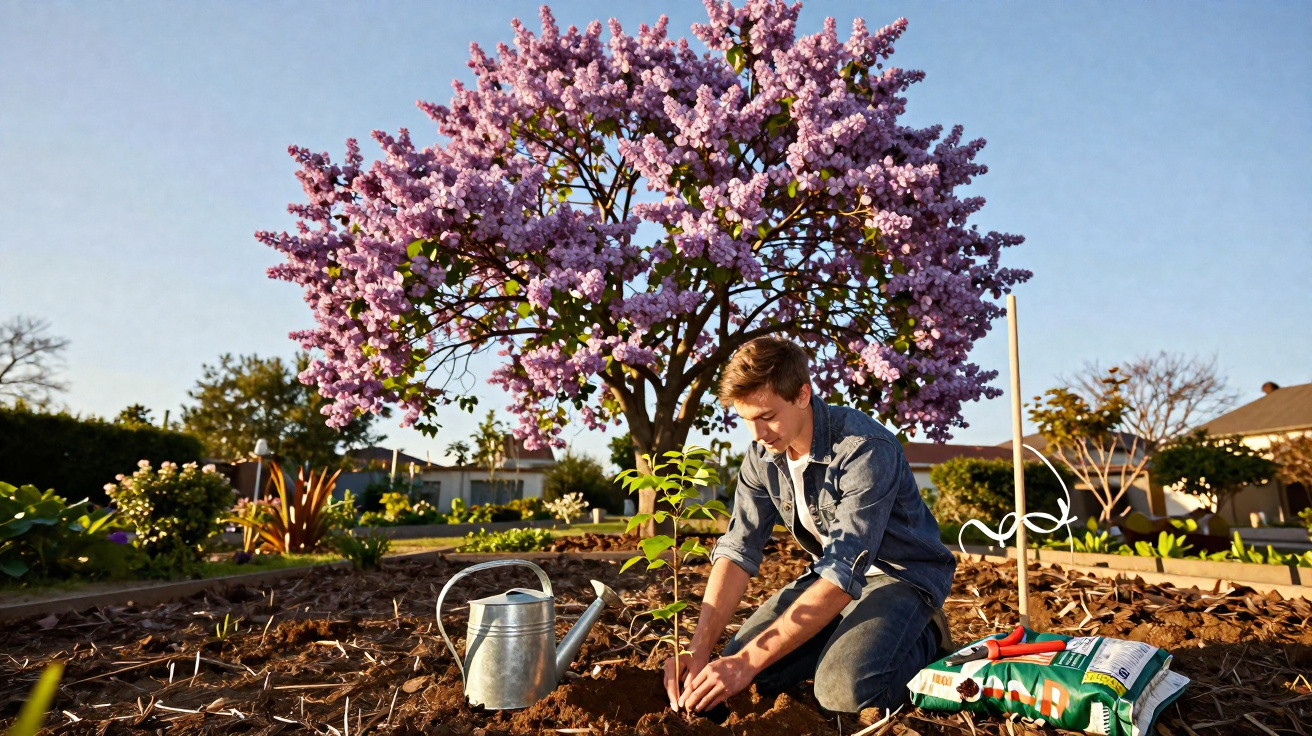
Many keen gardeners want shade quickly, but they do not want half the garden swallowed up by rampant bamboo. That is exactly where a tree comes in that-surprisingly-still sits off the radar for many people in Germany: the Paulownia, also known as the Kaiserbaum or Blauglockenbaum.
The tree that grows at bamboo speed
Paulownia is among the fastest-growing ornamental trees you can plant. In the right conditions, a young tree can put on an impressive 1.5 to 2.5 metres each year. After only three years, 5 to 7 metres in height is entirely plausible, while mature trees typically reach 10 to 12 metres.
Even with that pace, the growth habit stays tidy: a single, continuous trunk topped by a broad crown. In summer, the huge heart-shaped leaves quickly create a dense, comfortable patch of shade-perfect beside a patio, seating area, or children’s play space.
The Kaiserbaum delivers bamboo speed – but without runners that take over the garden.
Unlike many bamboo species, Paulownia does not send aggressive rhizomes in every direction. It largely stays where you plant it. That makes it far easier to manage in smaller gardens and means you can usually avoid the expense of installing rhizome barriers.
A spring cloud of blossom: why Paulownia stands out
The real show begins in spring. Before the leaves appear, the crown is covered in dense panicles of bell-shaped flowers. Depending on the variety, the colour ranges from soft lilac to rich violet, sometimes with a faint blue tone.
From a distance, the canopy can look as if it has been wrapped in pastel-coloured cotton wool. Once you have seen a Paulownia in full bloom, the image tends to stick. There is also a light fragrance that can resemble vanilla or lilac.
For insects, Paulownia is a major draw. The flowers provide plenty of nectar, giving bees and butterflies an early, generous food source in spring.
Anyone who wants bees in the garden gets a real spring buffet for pollinators with Paulownia.
Location and planting: how to give the Kaiserbaum the right start
The right spot in the garden
To make the most of its growth potential, the tree needs one thing above all: sun. A position in full sun-ideally sheltered from icy draughts-produces the best results.
- Light: sunny to full sun
- Soil: deep, humus-rich, well-draining
- No waterlogging: avoid pots or dips where water stands
- Room above and around: at least 6–8 metres from the house, neighbours, and other trees
The soil should be loose so roots can push down quickly. If you have heavy clay, it is worth working in sand and plenty of compost.
Preparing the planting hole
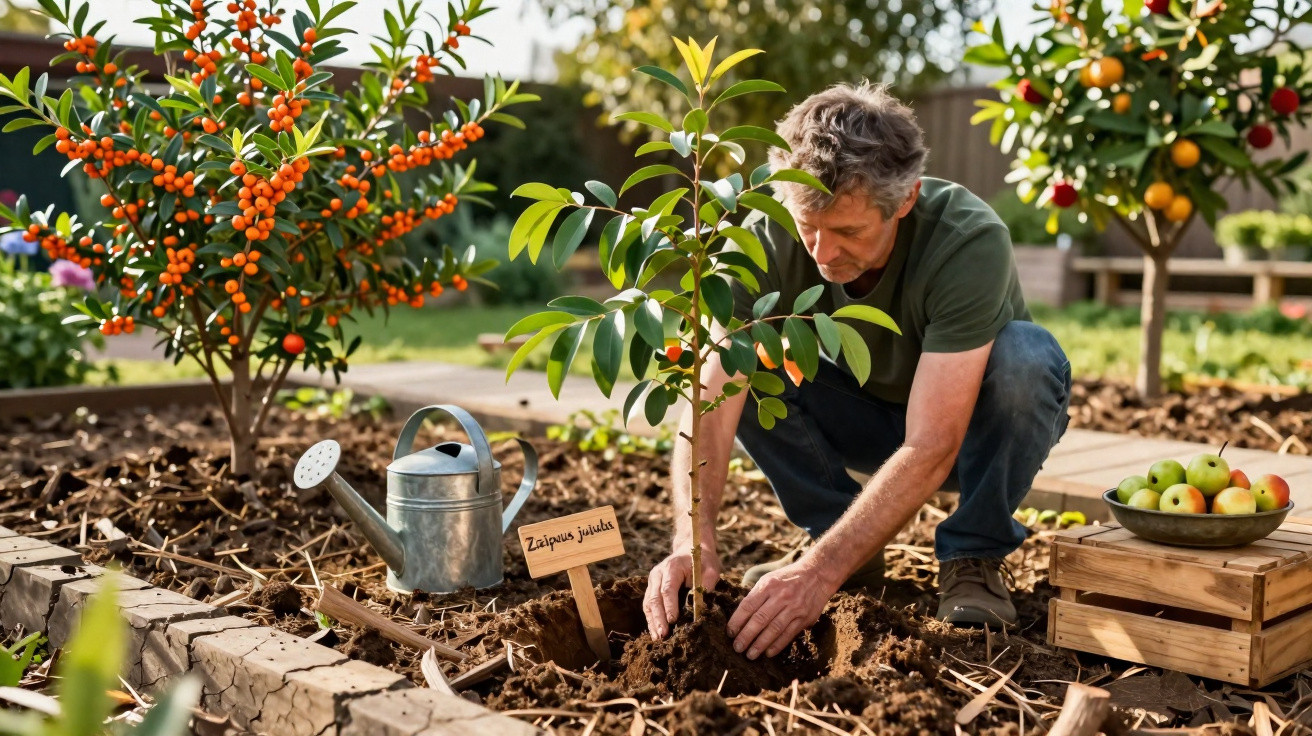
For a strong start, it helps to dig a generous planting hole of around 60 x 60 x 60 centimetres. Mix the excavated soil with 10 to 20 litres of well-rotted compost. Return this mix to the hole, set the tree in place, firm the soil gently, and water thoroughly straight away-about 20 litres-so the root ball connects properly with the surrounding soil.
A mulch ring around the trunk, 5 to 8 centimetres thick, helps retain moisture and suppress weeds. Bark mulch, woodchip, or leaves all work well.
If you do the job generously in the first hours after planting, you save yourself plenty of trouble later on with drought stress and stability.
Care in the first years: water, pruning, protection
Watering and root development
Regular watering matters most in the first two to three summers. Depending on the weather, 10 to 20 litres per week may be necessary. It is better to water less often but deeply, rather than giving a few splashes every day. That approach encourages roots to grow downwards instead of staying near the surface, where soil dries out quickly.
Pruning for a shapely crown and abundant flowering
After flowering, you can influence how the crown develops. A light prune helps maintain a balanced shape and promotes strong shoots that will set plenty of flowers the following year. Dead or damaged wood should be removed without delay.
In very exposed areas, it can be sensible to keep young trees a little lower at first and prune more firmly, so they form a stable framework.
Protection from frost and late cold snaps
Buds appear relatively early in the year. Late ночt frosts can damage them, which can mean fewer flowers-or none at all-during that season. Young trees are more sensitive than established specimens.
- Wrap young trees with fleece on frosty nights
- Increase the mulch layer in winter to 10–15 centimetres
- After frost damage, cut back frozen shoot tips once the cold spell has passed
In many cases, the tree will then re-sprout vigorously. Paulownia is generally considered resilient, but it does need a bit of extra attention through its first winters.
Risks and limits: not an effortless option everywhere
Keep an eye on self-seeding
Paulownia produces large quantities of seed that can be carried by the wind. In warmer regions, seedlings may establish beyond your own boundary. In some countries, there is now discussion about whether certain varieties could spread unchecked.
If you want to play it safe, check under and around the tree regularly and remove young seedlings while they are still easy to pull out. In environmentally sensitive areas, a quick call to your local nature conservation authority is worthwhile to confirm whether any restrictions apply.
Do not underestimate the space required
However appealing the speed of growth may be, this is not automatically the right choice for a tiny terraced-house garden planted tight to the boundary. The crown needs air and the roots look for room. Planning too tightly can lead to neighbour disputes and, later, expensive tree work.
Before you plant, it pays to look 15 years ahead – how big is the tree really allowed to get?
Popular varieties and ideas for using it in the garden
In nurseries and garden centres, two species appear particularly often: Paulownia tomentosa and Paulownia fortunei. They differ slightly in flower colour, leaf size, and vigour. Some selections focus more heavily on ornamental value, while others lean more towards rapid timber production.
Where the Kaiserbaum works best
- A lawn specimen tree: a standalone focal point with plenty of distance from the house
- A patio shade provider: a fast-growing “green parasol”
- A lightly planted driveway: spaced out as an informal row of trees
If you want an avenue effect, leave at least 6 metres between two trees. That gives the crowns freedom to develop while still reading as a line. Each spring, the tree benefits from a feed of about ten litres of compost, lightly worked into the soil around the base.
More than just ornamental: timber, climate impact, and planting combinations
In Asia, Paulownia has long been valued as a timber tree. The wood is lightweight yet strong and dries quickly. It is used, for example, for furniture, instruments, and lightweight constructions. For private gardeners in Central Europe, the ornamental appeal is usually the main reason to plant it, but it also features in climate discussions because it builds biomass rapidly.
Planting combinations can be particularly effective. Under the canopy, shade-tolerant perennials such as hostas, ferns, or barrenwort (Epimedium) can thrive. If you want to boost its value for insects even further, add nectar-rich plants around the trunk-such as sage, catmint, or globe thistles-that flower later in the year.
One more practical consideration before planting: those big leaves drop in substantial quantities in autumn. If you prefer an absolutely “tidy” garden, you may find that a nuisance. If, on the other hand, you appreciate leaf litter as mulch and a soil improver, you gain a steady supply of free material.
Overall, Paulownia suits gardeners who want quick results and are happy to give the tree some space and a little extra care in the early years. If you can offer both, you are rewarded with a striking spring display, dense summer shade, and a lively haven for insects in your own garden.


Comments
No comments yet. Be the first to comment!
Leave a Comment