
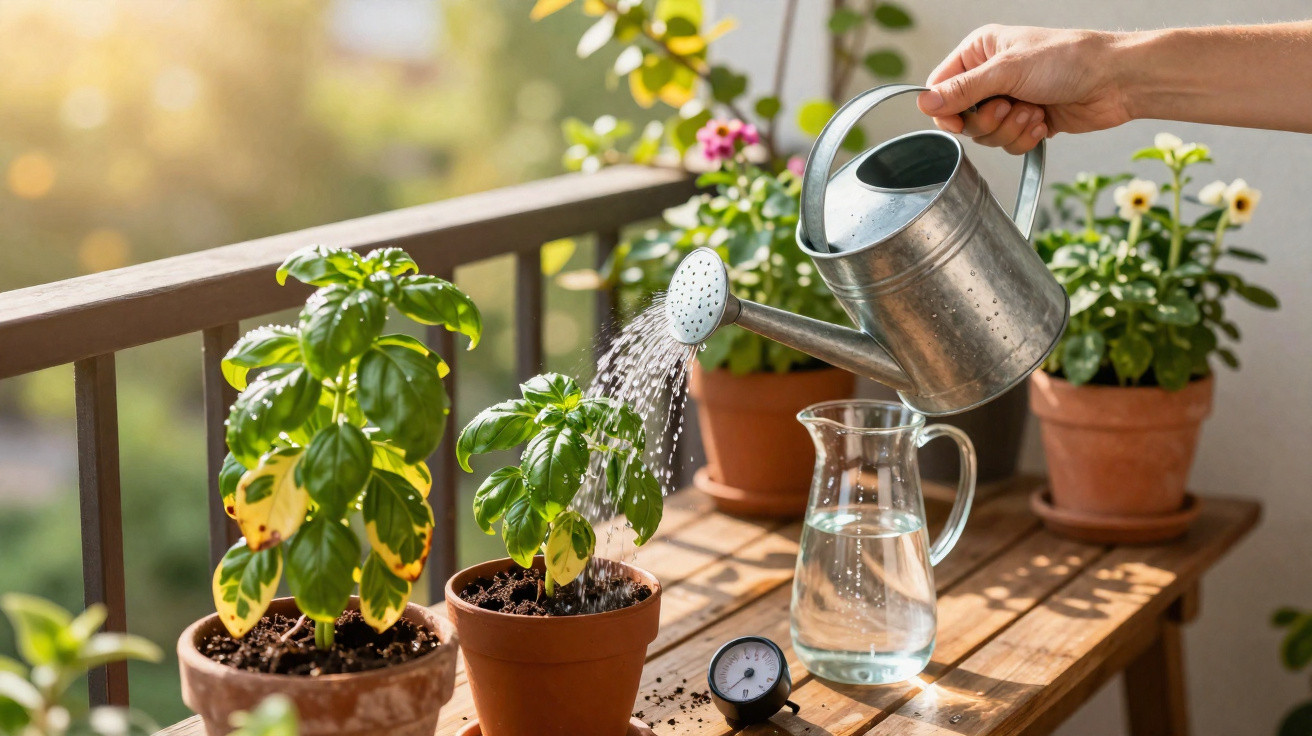
The leaves glisten as though they’ve just been rinsed, and for a moment the garden feels crisp, washed and almost tropical. Then, a few days later, those very same leaves show peppery spots, the margins begin to yellow, and stems go soft and soggy at the base. You blame the weather, the soil, maybe even the seed supplier. You almost never blame how you water.
Most of us have had that moment where a plant seems to “die for no reason”. You shift the pot. You swap the feed. You search online late at night, comparing photos of miserable foliage. Yet behind all that detective work there’s often a remarkably simple culprit: a watering routine that looks kind on the surface… and quietly invites disease in.
Why the way you water can quietly make your plants sick
One early summer morning I watched a neighbour work his border with a spray nozzle set to “shower”. He swept it across the foliage as if he were washing a car, droplets glittering everywhere. It looked almost cinematic. Two weeks later his roses were dotted with black spot, and the tomato leaves had a light white coating of mildew. Same sunshine. Same soil. A different issue altogether.
Across the road, an older gardener was kneeling in the shade with a plain metal watering can. She kept the spout low and poured carefully at the base of each plant, as if topping up small cups of tea. The leaves stayed dry. Her tomatoes stayed clear while half the street complained about it being a “bad fungus year”. The contrast was stark. Same neighbourhood, same rain, same breeze. Totally different disease pressure.
It comes down to where the water hits and how long it lingers. Damp foliage is essentially an open invitation for fungal spores and bacteria. When you water from above during warm weather, droplets sit on leaf surfaces and lodge in tight joints where stems meet. As temperatures rise and fall, those wet pockets become tiny incubators. Pathogens germinate more quickly, soft tissue becomes easier to invade, and microscopic infections spread from plant to plant. What feels like generous hose work can, quietly, act as a disease conveyor belt.
From splash to spread: how overhead watering drives plant disease
Overhead watering has a hidden downside: it transports microbes. Droplets strike infected soil or diseased leaves and rebound, taking fungal spores and bacteria with them. Each splash is a miniature catapult. A speck of soil from a sick tomato base can end up halfway up the plant, tucked under a thick cluster of leaves with barely any airflow. That’s one way early blight, septoria and other leaf spots “climb” upwards.
In commercial growing, researchers have measured how far splash can carry spores from infected leaves. It isn’t just a few centimetres. With strong overhead irrigation, spores can leap between rows. Home gardens are smaller, of course, but the mechanism doesn’t change. One “really thorough” evening session with a sprinkler over lettuce, beans and tomatoes can mix their microbiomes in ways you do not want. A single infected leaf can turn into a patch of infected leaves after only a few wet–dry cycles.
Moisture also alters the leaf surface itself. When leaves remain wet for hours, their protective waxy layer can be weakened, and tiny openings such as stomata can become easier entry points. Add warm nights and you create marathon periods of leaf wetness-exactly what fungi such as downy mildew thrive on.
The roots can suffer as well. Overhead watering often leads to shallow rooting because the water doesn’t soak down properly. Shallow roots are quicker to stress, stress reduces natural defences, and weakened plants pick up disease more readily. One everyday habit, plenty of vulnerable links.
Healthier watering habits that quietly protect your plants
The most straightforward change is almost awkwardly simple: put the water on the soil, not on the leaves. Use a watering can without a fine rose, or a hose set to a gentle “soaker” flow, and keep it low. Direct water to the base so it sinks around the root zone. Ideally the top few centimetres moisten quickly, then the water travels downwards rather than misting into the air.
Timing changes everything. Watering early in the morning is an underappreciated superpower. The soil is cooler, plants are calm, and any stray droplets dry off quickly as daylight strengthens. Evening watering can feel pleasant, but it leaves foliage damp overnight-handing fungi a long, uninterrupted window to establish themselves. Treat morning watering like charging plants up for the day: deep, slow, early. Less fuss, fewer diseases.
Drip lines and soaker hoses can seem like kit for the ultra-keen, but they function as disease-control tools as much as convenience upgrades. They lie along the soil and release water exactly where roots drink. Minimal splash, no leaf bath. Add mulch around the base-straw, compost, shredded leaves-and you cut down soil splash while also smoothing out moisture swings. The steadier and less dramatic your watering routine, the fewer opportunities pathogens get.
Common watering mistakes (that most of us secretly make)
A surprisingly common trap is watering “a tiny bit, very often”. A quick sprinkle every evening feels attentive, like checking in on someone. In practice, it keeps the surface layer constantly damp while deeper soil stays dry. Roots gather near the top, where temperatures swing sharply and disease pressure is higher. Shallow, stressed roots plus frequent splashing from the hose is a recipe for rot and mildew.
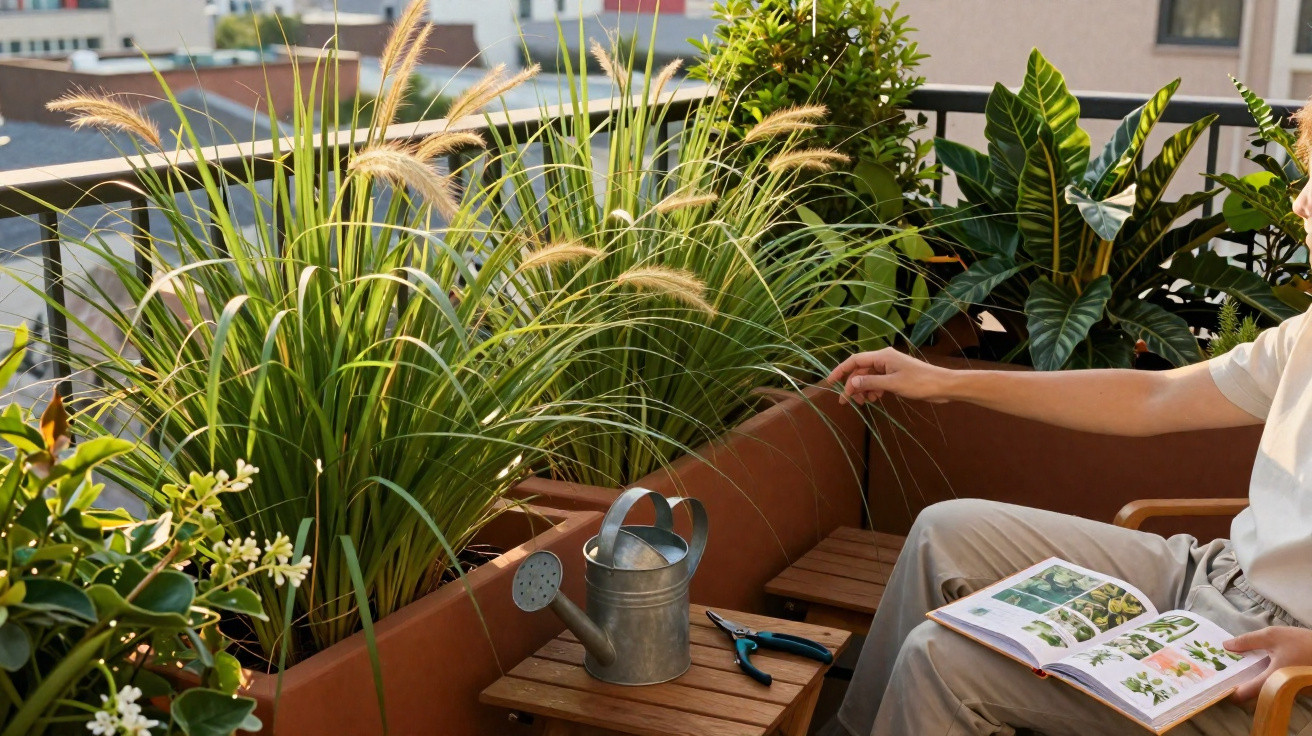
Another habit is blasting containers from above because it’s quicker. Balconies and small patios are where this shows up most. A strong jet compacts the compost, ricochets off the rim and drenches the foliage. Water then runs down the outside of the pot instead of percolating through it. Let’s be honest: hardly anyone does this perfectly, day after day. We rush, we overwater when we suddenly remember, and plants end up paying for it-fungus gnats in soggy compost and roots deprived of air.
Then there’s the guilt-fuelled “panic soak” after a few hot days. You spot drooping leaves at lunchtime and respond by drowning the plant in the evening, soaking stems and foliage along the way. Sometimes that plant wasn’t thirsty, it was overheated. Once roots sit in cool, stagnant water and the crown stays wet, crown rot and pythium can take hold. Diseases that barely show in a well-drained bed can explode in a container with a blocked drainage hole and a weekly flood.
Small rituals that make watering safer and more satisfying
Better watering starts with noticing, not buying. Push a finger into the soil up to your second knuckle. If it feels cool and slightly damp, leave the watering can alone. If it’s dry and crumbly at that depth, water slowly until you see moisture just begin to escape the drainage holes, or you notice a gentle pool forming on the surface before it soaks in. Let that guide you-not the day of the week.
Try linking watering to a quick leaf check. While you water at the base, scan the lower leaves: any spots, yellow halos, fuzzy growth, or unusual smells near the stems? Catching problems early lets you remove a few leaves, tweak your watering approach and halt a spread. This small ritual turns watering from a chore into a mini health check. It also nudges you away from overhead spraying, because your attention stays where the plant meets the soil.
“Since I stopped ‘rinsing’ my plants and started watering like I was pouring coffee into their roots, I’ve had fewer sick leaves and more calm mornings in the garden,” confided a market grower who used to lose whole rows to blight.
- Keep it simple: morning, low pressure, aimed at the base.
- Mulch around plants to cushion soil and reduce splash-back.
- Give plants enough space for air to move so leaves dry faster.
- Wash watering cans and hose nozzles every few weeks.
Letting go of the “shower” mindset in the garden
Most people aren’t trying to damage plants with a hose. It happens in small, familiar situations: a warm evening, ten spare minutes, and the urge to “freshen everything up” with a big leafy shower. The image is compelling. It looks generous. It feels like care. Moving away from it takes a bit of unlearning-and a replacement picture: quiet soil drinking slowly while the leaves stay mostly dry.
There’s also an emotional payoff to a loud, splashy watering session. It feels productive and visible, like you’re really doing something. More reliable habits-drip lines, a low stream, a gentle early-morning round with a half-filled can-are less showy. The reward is not instant. It appears weeks later in what you don’t see: fewer black spots, fewer yellowing lower leaves, fewer pots that smell sour when you lift them.
Once you start noticing how diseases travel-via splashes, lingering droplets and stressed roots-watering stops being a background task and becomes part of your plants’ immune system. You begin to spot where leaves overlap, where soil tends to flick up, and where droplets sit longest after rain. At that point, simply changing where you aim the hose feels like a quiet protective act. It’s also the kind of shift gardeners pass along to neighbours, after watching a season play out with fewer sick plants and far less hidden harm from water landing in the wrong place.
| Key point | Details | Why it matters to readers |
|---|---|---|
| Avoid constant overhead “showers” | Sprinklers and spray nozzles that soak foliage increase hours of leaf wetness and splash pathogens from soil to leaves. | Reducing overhead watering can noticeably cut leaf spots, mildew and blight within a single growing season. |
| Water early in the morning | Morning watering allows extra moisture to evaporate quickly and avoids leaving leaves wet overnight, when fungi are most active. | This small timing change can mean fewer fungal flare-ups without spending more money or buying new tools. |
| Focus on deep, infrequent watering at the base | Slow, targeted watering promotes deeper roots and steadier moisture, rather than shallow, stressed root systems. | Stronger roots help plants cope better with both disease and heatwaves, leading to fewer sudden “mystery deaths.” |
FAQ
- Is overhead watering always bad for plants? Not always, but it becomes risky when leaves stay wet for several hours, particularly in warm, humid weather. Occasional rain-like watering isn’t disastrous, yet making it your everyday routine increases the likelihood of fungal and bacterial diseases spreading.
- Can I use a sprinkler if I have no other option? Yes, provided you control how often and when you use it. Run sprinklers early in the morning, keep them on long enough to water deeply, and avoid soaking foliage every single day so leaves aren’t damp from evening into night.
- How do I know if I’m watering deeply enough? After watering, wait 20–30 minutes, then dig a small test hole or use a soil probe near the plant. For most garden plants, moisture should reach at least 15–20 cm down; if only the surface is wet, you’re watering too lightly.
- My balcony plants wilt in the sun. Should I spray the leaves to cool them? It’s usually better to move them into light shade during the hottest part of the day and water the soil rather than repeatedly misting the leaves. Frequent leaf-wetting on a cramped balcony can create ideal conditions for mildew and rot in containers.
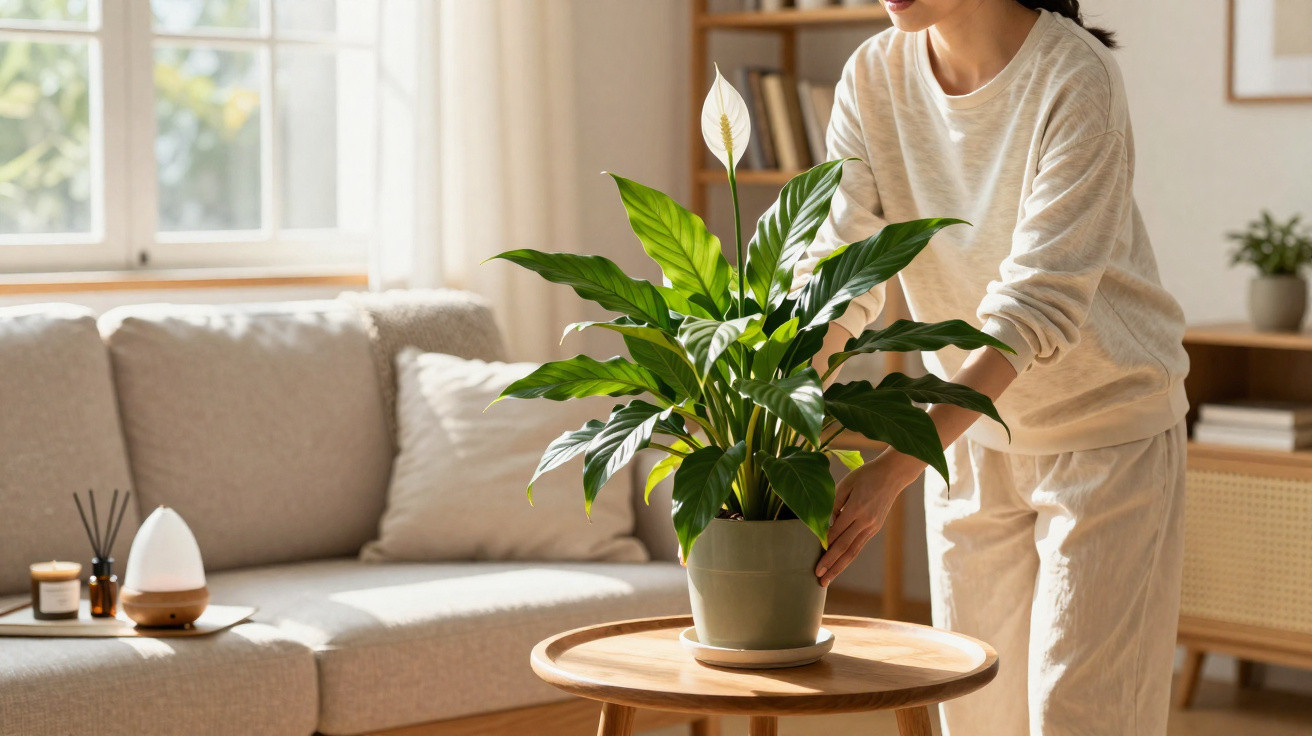
- Do indoor plants face the same disease risk from overhead watering? To an extent, yes. Indoors, where air movement is limited, constantly wet leaves can lead to leaf spots and rot. Wiping dusty leaves and watering at soil level helps houseplants stay healthier over time.

Comments
No comments yet. Be the first to comment!
Leave a Comment