
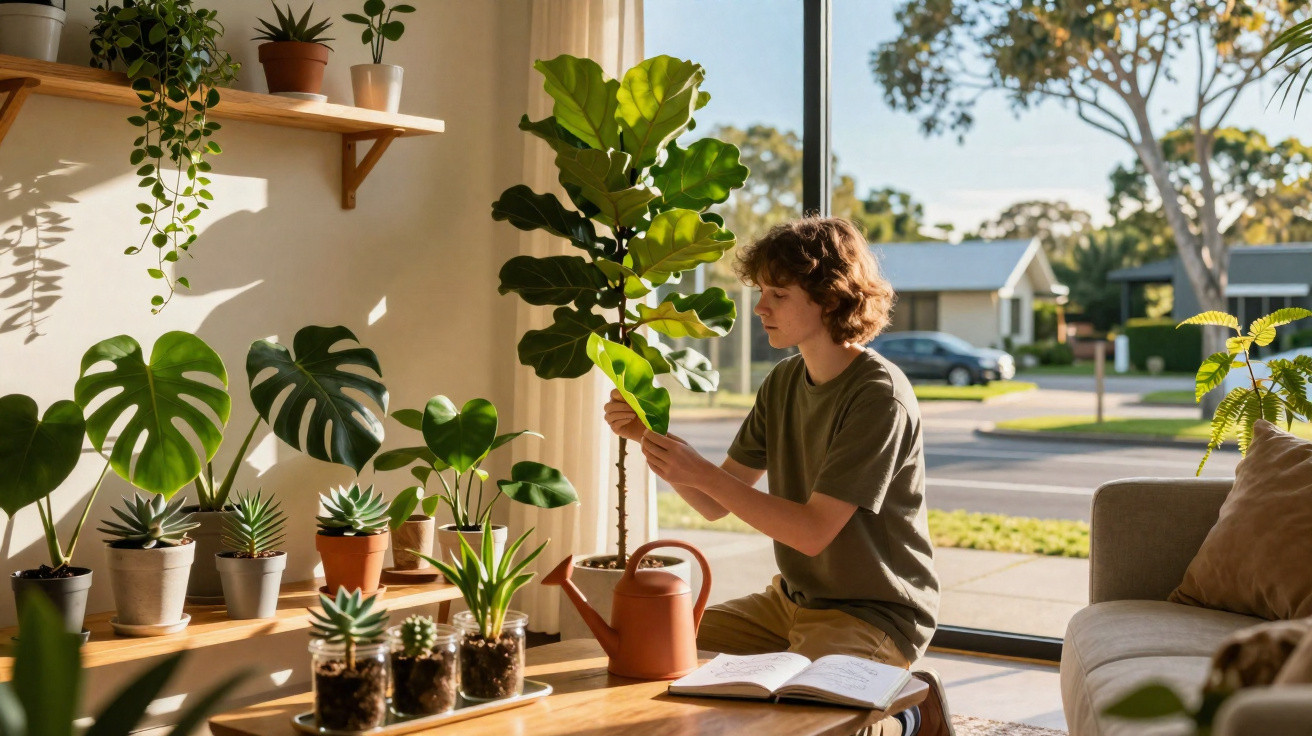
In almost any home or workplace you enter now, you’re likely to see a collection of indoor plants. The worldwide indoor plants market is expanding rapidly and is expected to exceed US$28 billion (A$44 billion) by 2031.
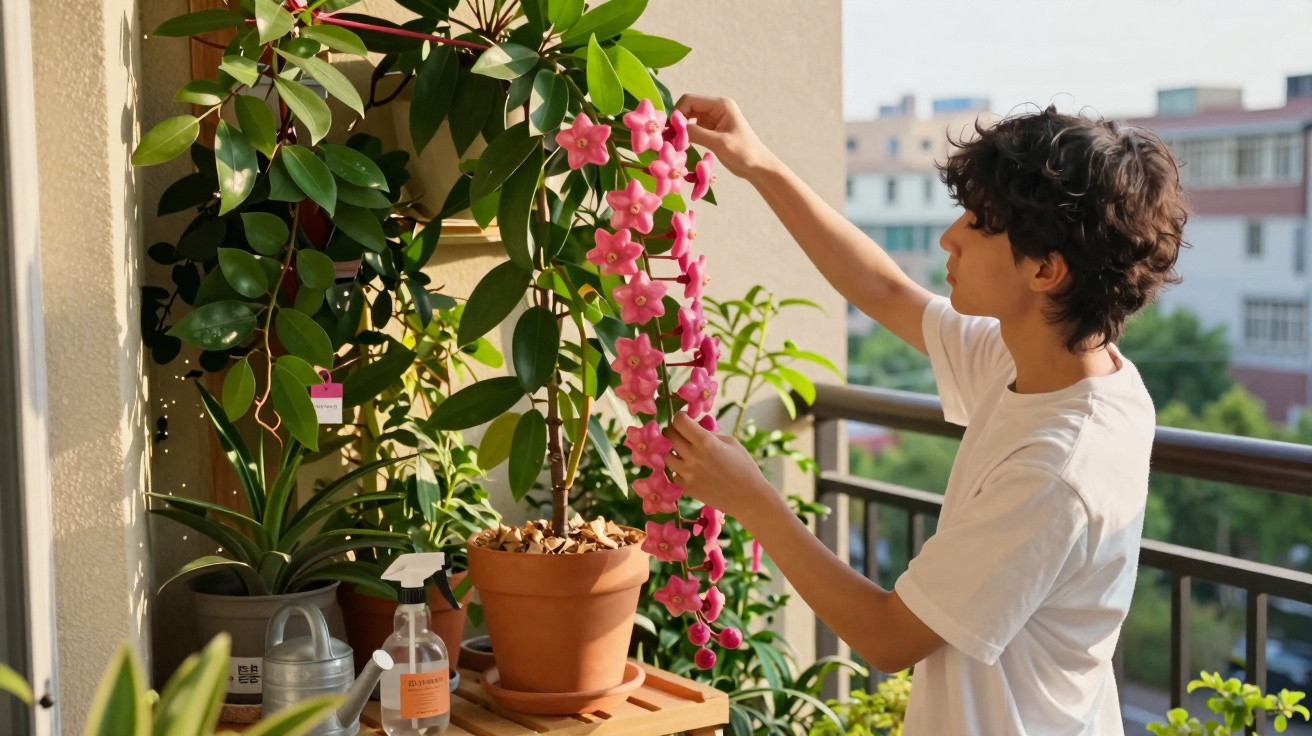
People bring indoor plants into their homes for all sorts of reasons - from interior decoration to improving air quality and easing stress. My colleagues and I wanted to look beyond these common explanations. We asked: what kinds of relationships do people develop with indoor plants, and what might that reveal about the bond between humans and nature?
In our survey of indoor plant owners in Australia, we found that many people build genuinely significant connections with their green companions. Some even view their plants as part of the family, worry about how they’re doing, and grieve when a plant dies.
A blooming hobby
Growing plants indoors is far from a modern trend - people have been doing it for millennia.
Research indicates that Egyptians started bringing plants inside as early as the 3rd century BC. Archaeological remains from the ancient city of Pompeii show indoor plants were used there more than 2,000 years ago. Later, in medieval England, indoor plants also featured in remedies and in the kitchen.
Indoor plant keeping became common across many countries in the latter half of the 20th century. It surged again during the COVID-19 pandemic, likely because many people were seeking a sense of nature while access to outdoor green spaces was restricted.
The value of indoor plants extends beyond feeling closer to nature. Studies suggest they can lift mood, lower stress, boost productivity, and may even reduce physical discomfort such as pain.
Even so, our work shows that people differ widely in how connected they feel to the plants they keep indoors.
Why we love indoor plants
We conducted a survey of 115 Australian adults, recruited via social media posts and poster adverts at the University of South Australia. The group was approximately 69% female, 30% male and 1% non-binary, with ages ranging from 18 to 69.
Participants reported owning an average of 15 indoor plants. Some people had just one, while one participant reported an astonishing 500.
Altogether, respondents grew 51 varieties of house plants. Succulents, devil’s ivy and monstera were the most frequently mentioned. The most common places to keep them were the living room, kitchen and bedroom.
Across the full sample, participants described 11 benefits of having indoor plants.
About half highlighted the visual appeal. They said indoor plants were "nice to look at", that they "soften rooms" and "add colour". Respondents also mentioned benefits for air quality, and many said indoor plants made them feel calmer.
Less frequently reported benefits included helping people establish routines, supporting physical health, offering distraction, easing fatigue, and providing a pleasant scent.
4 types of relationships with indoor plants
Our findings grouped people’s relationships with their indoor plants into four categories:
1. Highly connected (14% of respondents)
People in this group often spoke about a strong personal bond with their plants. Their comments included:
They are like my children. (male, 28)
I often water them and take care of them as family members. (female, 26)
Well I cried over my plants leaf getting broken off today, so you could say I'm pretty attached to her. (female, 21)
I feel terrible if one dies, I feel as though I have let it down and generally bury it in the garden. (female, 34)
2. Engaged (42% of respondents)
These respondents took pleasure in caring for their plants and kept up with their needs, but did not describe a profound emotional connection. For instance:
Watering them and watching them grow is exciting, I feel proud to keep them alive so long (female, 22)
I get sad when one dies or is looking droopy, I feel happy when they look alive and freshly watered. (female, 22)
3. Limited engagement (23%)
Participants in this category liked having indoor plants, yet spent little time looking after them and described only minimal emotional ties. One person explained:
Feel like indoor plants are fine but through our large windows we can see our outdoor plants and that's more important to us. (female, 45)
4. No relationship (12%)
Those who felt they had no relationship with their indoor plants said things such as:
Hardly watered it as it's a succulent. (male, 21)
They are all gifts rather than something I've gone out to buy. (male, 21)
(For the remaining 9% of participants, responses to the question about their relationship with house plants were invalid and were excluded.)
Unlocking the potential of indoor plants
Our results indicate that indoor plants may enhance daily life in ways we are only starting to grasp.
It’s also worth noting our data were gathered in 2020, during the COVID-19 pandemic. That setting may have shaped what we observed. For instance, some participants may have felt more attached to their indoor plants because they had less access to outdoor green spaces. This means additional research is needed in a post-pandemic environment.
Research into human–nature relationships is growing. By examining how people relate to plants, we may be able to better realise the ways nature can support health and wellbeing.
Brianna Le Busque, Lecturer in Environmental Science, University of South Australia
This article is republished from The Conversation under a Creative Commons licence. Read the original article.
Comments
No comments yet. Be the first to comment!
Leave a Comment