
Keeping your plants looking their best depends on consistency and smart choices in your household routine. Even if you only have a little time each day, a few well-placed actions help prevent heat stress in different species, keep the soil at the right moisture level, and protect the look of the green area around your house.
Why does removing weeds quickly make a difference?
Pulling out invasive plants early stops them from competing with your cultivated varieties for essential light and nutrients. If you remove every unwanted shoot before it flowers, you also prevent seeds spreading through the soil-saving you a great deal of effort later when it comes to managing your flowerbed.
Spending a couple of minutes checking around the base of pots makes it easier to lift out weeds with their roots intact. When the compost is slightly damp, the job is faster and cleaner, helping the space stay tidy and genuinely healthy.
How can you have an elegant garden without building up lots of work?
Cutting down on too many pots and choosing species that need fewer waterings can transform your outdoor look in a… Read more
How should you organise watering and feeding on hot days?
Watering should prioritise the foliage that’s most exposed to strong heat, so plants don’t dry out too quickly. Delivering water straight to the roots during the coolest parts of the day reduces evaporation losses and supports proper absorption of moisture into the soil.
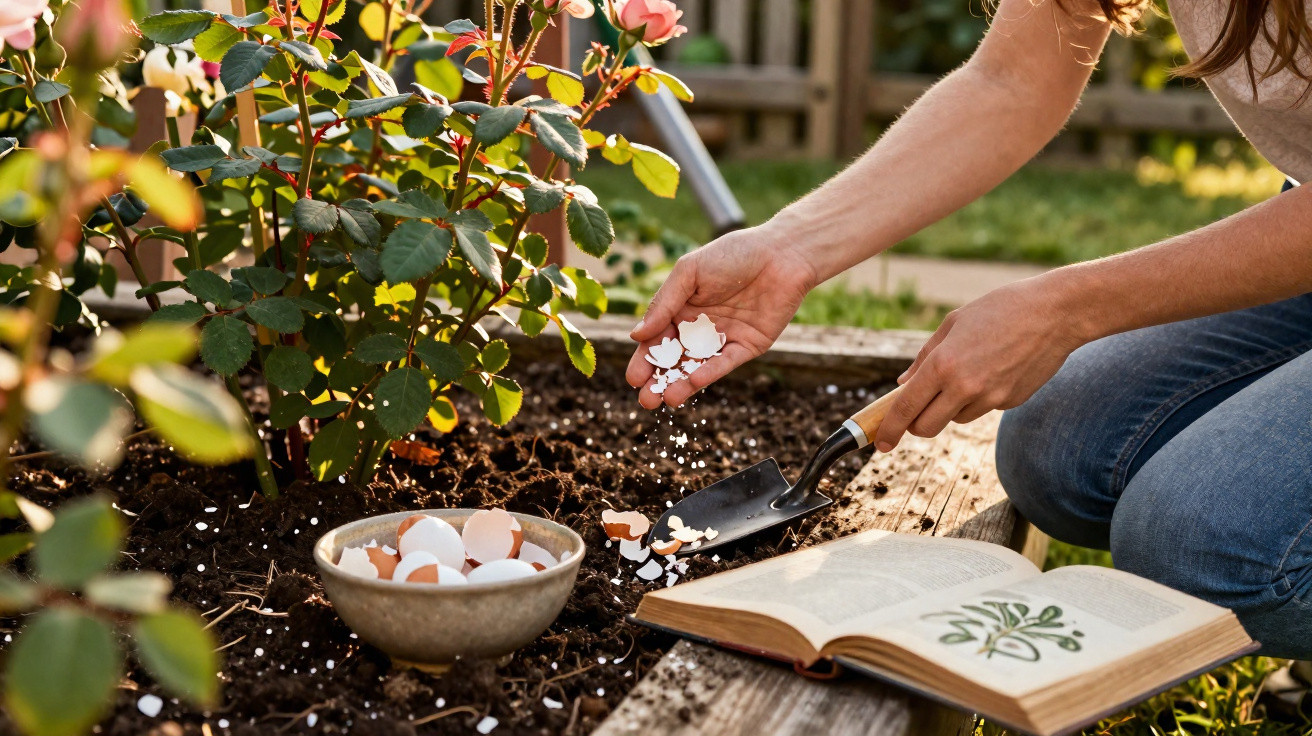
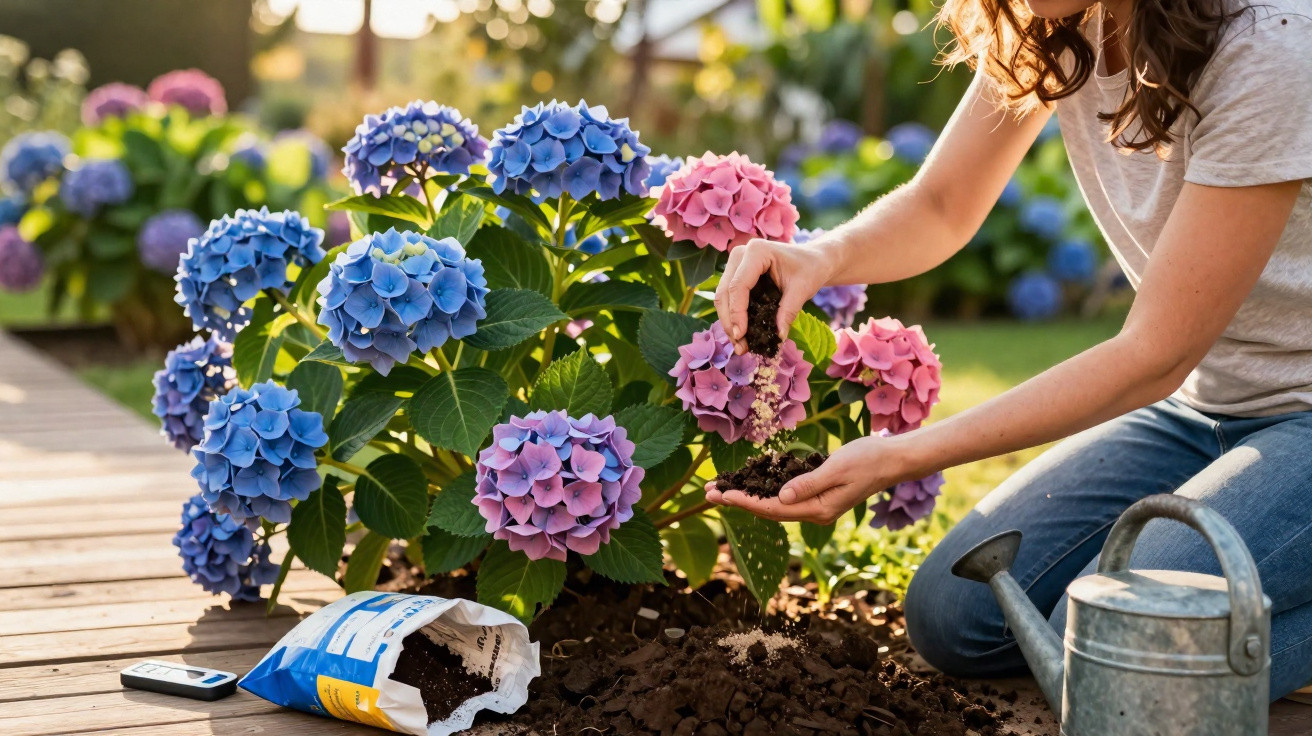
Beyond watering, topping up nutrients from time to time in closed containers helps new growth stay strong. Because potting compost loses organic matter easily, keeping fertilising balanced protects the vitality of any plant.
Below is a video from the Spagnhol Plantas channel on YouTube that explores the points covered in this topic in more depth:
Which simple pruning steps encourage continuous new blooms?
Removing faded flowers prevents the plant from wasting valuable energy trying to form unnecessary seeds in summer. This quick snip redirects sap towards fresh buds, extends the flowering period, and lifts the overall appearance of the garden.
Regularly clearing away dry branches also improves airflow through the canopy of smaller shrubs. That reduces trapped moisture in dense foliage, acting as a natural barrier against the spread of fungi.
Quick maintenance guide
Priority tasks for the day
Key actions you can do in just a few minutes:
- Remove wilted flowers and dry leaves from stems;
- Check soil moisture for sensitive species;
- Apply fertiliser to pots that require feeding.
How can you support fragile stems and prevent pests?
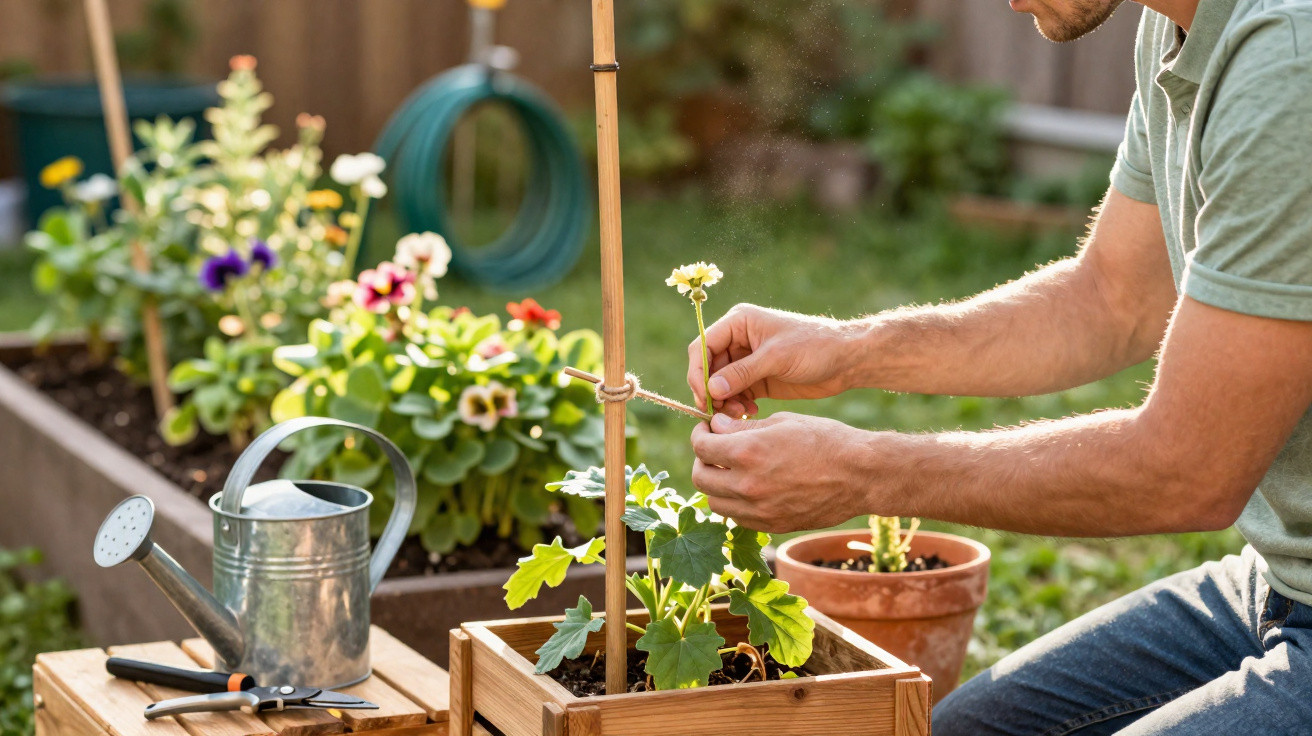
Placing bamboo canes or sturdy stakes helps stop long stems snapping in summer winds or heavy rain. Tie delicate stems with soft ties so they’re supported without damaging the outer structure during the growth of the vegetation.
A quick look under leaves helps you spot early infestations of scale insects or aphids before they spread. This simple preventative habit avoids serious damage, keeps shoots vigorous, and protects the full health of each branch.
A few practical measures make it easier to monitor the key signs of your green area every day:
- Check the underside of leaves for spots;
- Secure firm stakes to plants that are starting to topple;
- Use natural solutions as soon as insects first appear.
How can you stay consistent with only fifteen minutes a day?
Spreading tasks across the week keeps the workload light and surprisingly productive, without leaving you exhausted. Setting aside one day for deep watering and another for targeted pruning helps maintain steady results without weighing down your routine at any time.
With brief effort and attention on the right priorities, any flowerbed can thrive even in high temperatures. Small daily interventions create a harmonious retreat, strengthening your ongoing connection with nature and bringing more life to your environment.

Comments
No comments yet. Be the first to comment!
Leave a Comment