
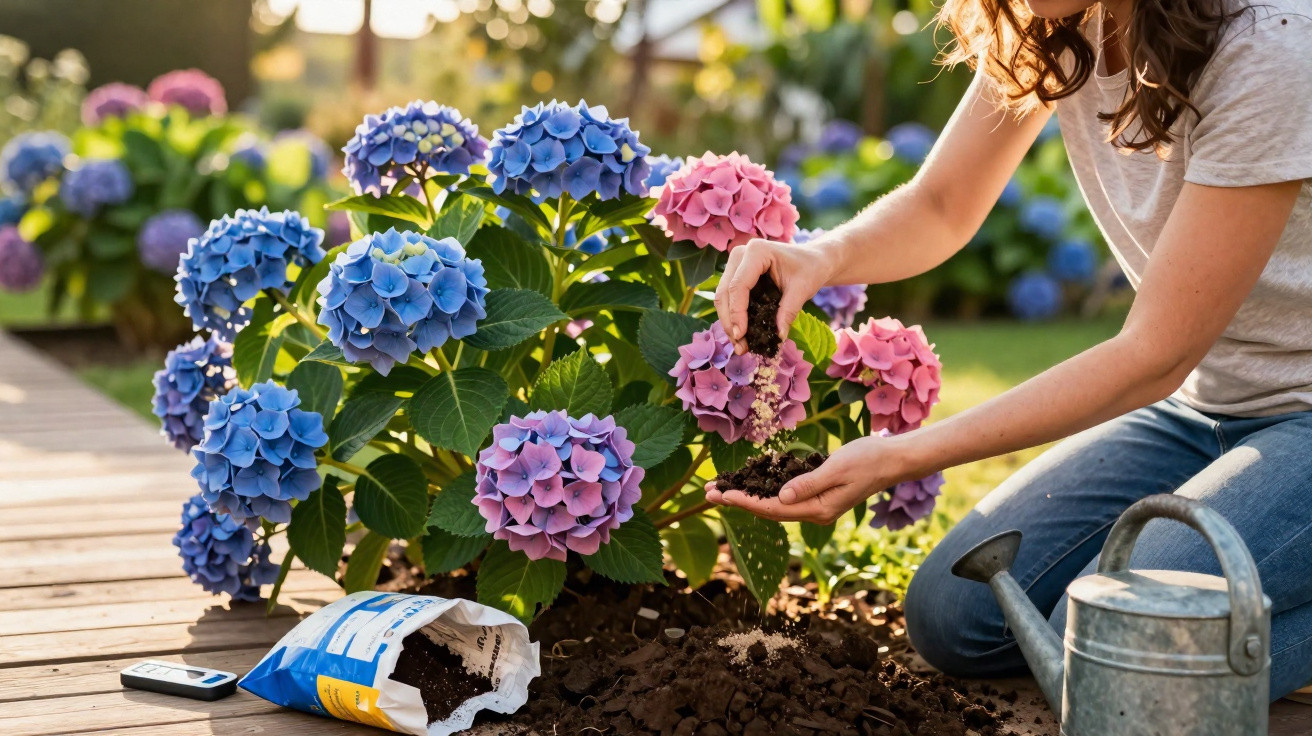
Hydrangeas are popular decorative flowers known for shifting shade depending on the soil, the variety and the stage of flowering. In a garden border they can move through blue, pink, lilac, green and even aged, muted tones, creating a refreshed look part-way through the season without changing pots, beds or plants.
Why do some flowers change colour?
Hydrangeas in the Hydrangea genus-most notably certain types of Hydrangea macrophylla and Hydrangea serrata-alter colour because their pigments respond to soil conditions. Among the key drivers are soil pH and how readily aluminium is available to the plant.
When the soil is more acidic, aluminium becomes easier for the plant to take up, which encourages bluer blooms. In more alkaline ground, aluminium uptake is reduced and pink shades tend to dominate.
How does the soil affect hydrangea colour?
Soil pH acts like a chemical switch. In acidic earth, the hydrangea can absorb particular elements more effectively; in alkaline earth, that same plant may produce flowers in a different hue.
Typically, the pattern looks like this:
- acidic soil encourages blue flowers;
- alkaline soil encourages pink flowers;
- near-neutral soil may produce lilac tones;
- mature white hydrangeas usually do not change colour;
- the variety’s genetics can restrict or intensify how much colour shift happens.
What care keeps these decorative flowers looking good?
Hydrangeas do best in soil rich in organic matter, with consistent watering and some protection from intense sun during the hottest part of the day. The soil should stay moist, but never waterlogged, as airless roots can harm both foliage and blooms.
Hydrangeas grown in pots make it simpler to manage the compost, acidity and the water used for watering. In the ground, any colour adjustment is often slower, because it involves a much larger volume of soil.
How can you refresh the garden mid-season?
Because the flowers shift colour, they provide an ongoing visual change. Even after peak flowering, some flower heads start to age into greenish, pinkish or brownish shades, keeping texture and fullness in the bed.
A few habits help extend this effect:
- remove only flower heads that are very dry or damaged;
- keep an organic mulch around the plant;
- avoid very chalky water for sensitive varieties;
- feed with a hydrangea-appropriate fertiliser at the correct stage;
- watch leaf colour to fine-tune watering and nutrition.
Why do these flowers work so well in landscaping?
Colour-changing flowers can transform a garden because they bring visual movement without needing new arrangements every week. One plant can show different shades depending on soil, climate, the flower’s age and the cultivated variety.
The hydrangea’s chameleon effect combines ornamental appeal, volume and a sense of surprise through the season. With well-prepared soil, steady moisture and suitable light, they rejuvenate borders and pots while showing-through flower colour itself-the living conditions of the garden.

Comments
No comments yet. Be the first to comment!
Leave a Comment