
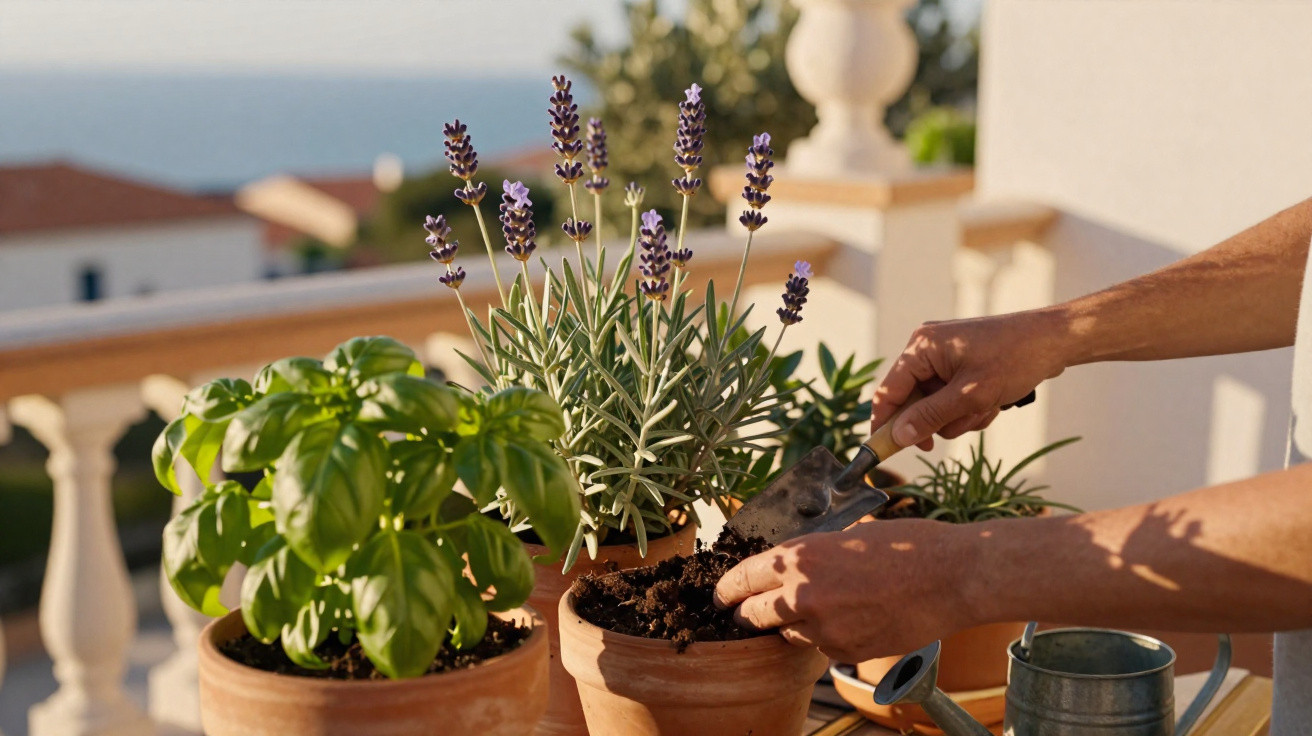
Growing aromatic herbs at home can add both charm and a sense of wellbeing to any urban living space. Even so, pairing plants such as lavender with basil calls for ongoing care, because each one has very different watering needs in a Mediterranean garden.
How does lavender behave in the garden?
This highly decorative plant delivers striking visual appeal in sunny borders and in a home vegetable plot. Beyond its ornamental value, it also offers noteworthy herbal properties that people have made use of since the time of Ancient Rome.
The essential oil distilled from its leaves and flowers is recognised worldwide in the cosmetics industry. In its pure form, it supports everyday wellbeing by lifting mood, helping to strengthen the immune system, and encouraging a peaceful night.
There are several simple, practical ways to use this aromatic plant in daily life:
- Oil on the wrists: Applying the pure product to the skin can help settle a restless mind before sleep.
- Room diffuser: Mist the fragrance in the bedroom to create a calm, pleasant atmosphere for sleeping.
- Soothing infusion: Making a hot tea with its medicinal qualities can help the body unwind.
- Cooking use: Mixing dried flowers into desserts or homemade ice cream adds a distinctive, delicate flavour.
- Scented sachets: Keeping the dried plant inside pillows or wardrobes continuously perfumes clothing.
Why does the climate affect lavender cultivation?
Climate is a key limiting factor, as this species originates in colder parts of Europe. In Brazilian soil, the South and South-East regions tend to provide the ideal conditions for it to grow with full vigour.
By contrast, places with year-round tropical heat and high humidity reduce the chances of this Mediterranean plant thriving. In the North or North-East, it tends to perform only temporarily, with periodic replanting needed after a few months of beautiful flowering.
Below is a video from the Spagnhol Plantas channel on YouTube that explores the points discussed in this topic in greater depth:
What are the main lavender varieties?
Knowing which varieties are available in the market makes it easier to choose the best option for a home herb garden. Lavandula dentata, also known as French lavender, currently stands out as the species that has achieved the best national climatic adaptation.
Types of Lavender
Rare and common varieties
Each variety has its own distinctive traits in fragrance, leaf shape, and temperature requirements. While English lavender needs intense cold in order to flower, Egyptian lavender copes very well in warm environments.
At the same time, there are exotic types that captivate aromatic-plant collectors worldwide. Varieties with unusual shapes or silvery foliage require specific care to keep their growth healthy and maintain a beautiful appearance.
The most notable species mentioned by the specialist have clearly defined characteristics:
- English lavender: Very well known internationally, but extremely demanding when it comes to consistent cold.
- Stoechas lavender: Popularly known as “little butterfly” because of the delicate shape of its upper petals.
- Egyptian lavender: Shows intense colouring and strong resilience for growing in hot places.
How do you prepare the ideal soil for planting?
Successful home cultivation depends directly on preparing the right growing medium. This plant cannot tolerate excessive moisture around its roots, which makes excellent drainage a mandatory, non-negotiable requirement.
Combining compost with coarse builder’s sand or perlite helps keep the soil loose rather than compacted. This airy structure prevents harmful water build-up, stopping the plant from suffering when placed near herbs that need frequent watering.
The main components for putting together this ideal planting mix include:
- Compost: Provides the essential nutrient base for the seedling’s initial growth.
- Coarse sand: Works mechanically to prevent unwanted compaction in the potting mix.
- Complete fertiliser: Ensures an ideal supply of macro- and micronutrients every thirty days.
What maintenance care helps prevent losing the plant?
Proper upkeep means giving the plant at least four hours of direct sunshine each day. Regular feeding and removing dry stems encourages fresh shoots, allowing the plant’s cycle to continue in full health.
If the aromatic shrub shows clear signs of weakening after a long period, a hard prune is advised. Cutting back half of the foliage restores its vitality, and the trimmed tips can be used to create new seedlings.
Read also: Lavender is tough against many things, but never keep it near places where rainwater collects
Comments
No comments yet. Be the first to comment!
Leave a Comment