
I still remember the first time I watched a neighbour quietly slide banana skins beneath a rose bush. In my half-awake state-morning light, mug of coffee-I genuinely assumed they were covering up evidence of a midnight snack. There they were in the flower bed, crouched down, with bits of yellow peel poking through the soil like awkward bookmarks.
About a week after that, something caught my eye. Those same roses looked almost self-satisfied: shinier foliage, firmer buds, deeper colour. In that small front-garden tangle, nothing else had changed-except the peels.
So I started to ask around.
And every expert I spoke to landed on the same slightly odd point: banana peels only do much for plants if you put them in one very particular place.
Banana peels are not magic… unless you hide them here
If you spend any time on gardening forums, you’ll see banana peels treated like a free miracle feed-almost as though dropping one on the soil could turn a struggling houseplant into a jungle by the next morning. Social feeds are packed with neat, yellow curls arranged around tomato plants by photogenic hands.
But when you speak to soil scientists and professional horticulturists, the excitement tends to cool. They won’t mock the idea-but you can often see a small wince.
The reason is simple: banana peels only become genuinely useful when they’re in contact with living soil organisms, rather than sitting on the surface like an abandoned snack.
Consider Lena, a small-scale urban gardener in Chicago. She used to toss her family’s banana peels straight on to her raised beds, feeling both low-waste and faintly virtuous. The peels stayed there, slowly turning black and leathery, while fruit flies gathered and the occasional squirrel took an interest.
Meanwhile, her basil remained washed-out. Her peppers continued to sulk. The only thing that grew quickly was her irritation.
Then a workshop with a local extension adviser changed everything: the same peels, the same garden-just a different placement. The difference in results felt ridiculous.
Here’s what the experts broke down for her. Banana peels contain plenty of potassium, plus smaller amounts of phosphorus, some magnesium, and traces of other minerals plants use. The catch is that a plant can’t simply draw nutrients from a fresh peel.
First, the peel needs processing by the soil ecosystem. Bacteria, fungi and other tiny decomposers have to surround it and break it down from every side.
That happens properly only when the peel is in the soil-not lying on top, sunbathing like a nutrient-rich plaster that never quite gets used.
The one place banana peels actually help your plants
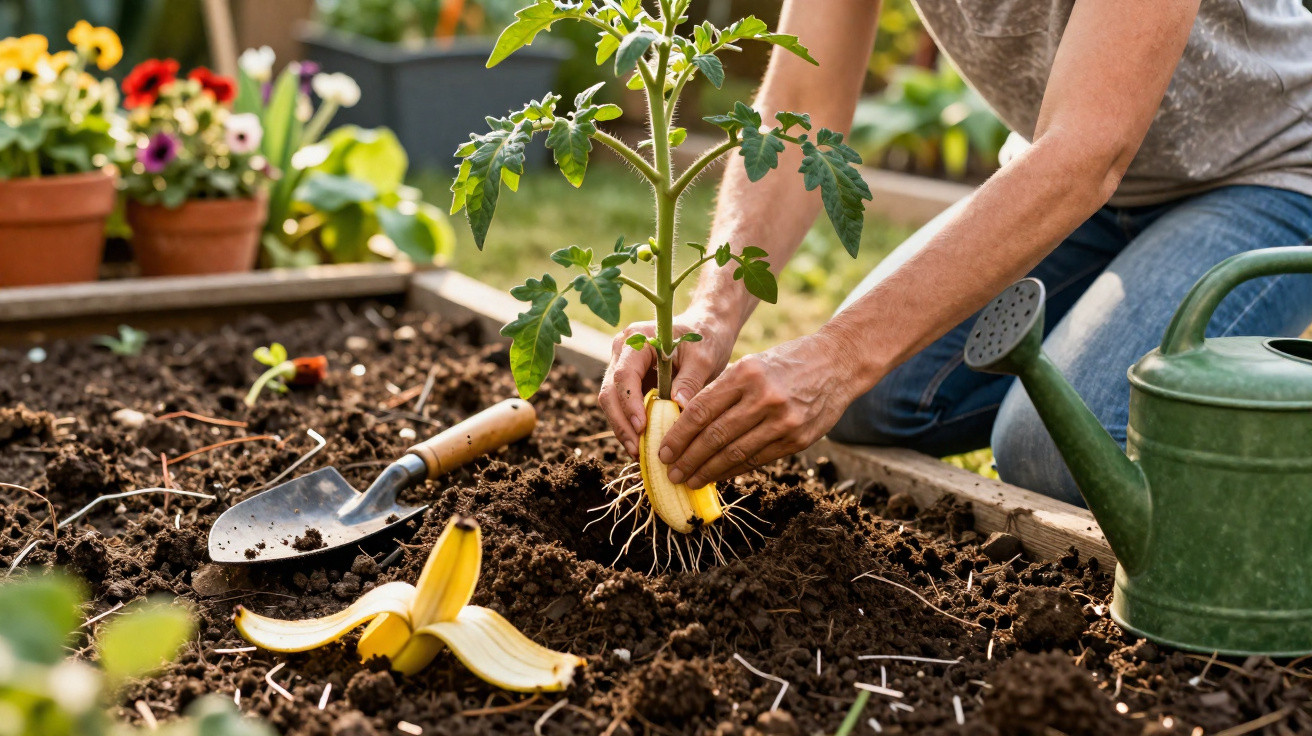
According to the experts, the correct spot is surprisingly straightforward: banana peels should be placed below the surface, within the root zone-lightly covered in moist soil-or added to a compost heap that will later feed that soil.
You don’t need to excavate a crater. A shallow trench about four or five centimetres deep around the plant will do. Chop the peel, lay the pieces in, cover them over, and leave it.
With a thin layer of soil on top, the underground workforce gets started. Microbes move in, worms pull fibres down, and the peel gradually becomes nutrients in a form plants can use-right where roots can access them.
Where many home gardeners slip up is with a well-meaning habit: laying whole peels on the surface like a kind of mulch. It looks tidy, eco-friendly and effortless. In practice, it often slows decomposition to a crawl, especially when the soil is dry or compacted.
Most of us know the moment: weeks later you spot a black, rubbery peel still recognisable, stuck to the dirt like a bad sticker. The plant hasn’t gained much; you’ve mostly hosted flies.
Chopping or tearing the peel and actually tucking it into the soil changes the outcome. More surface area means more contact with living soil, less smell, and fewer pest problems.
As professionals often put it: banana peels belong in active soil, not on display.
“People think they’re feeding the plant,” explains soil ecologist Dr. Marta Reyes. “They’re really feeding the soil community. The plant only benefits once that community has done its job. That’s why placement matters more than the peel itself.”
For a practical guide, banana peels tend to help most-when placed correctly-in these situations:
- Under a thin layer of soil, around flowering plants and fruiting vegetables
- Chopped and mixed into a compost bin or worm farm
- Buried in planting holes a few weeks before adding new plants
- Shredded and added to potting mix, then left to rest before planting
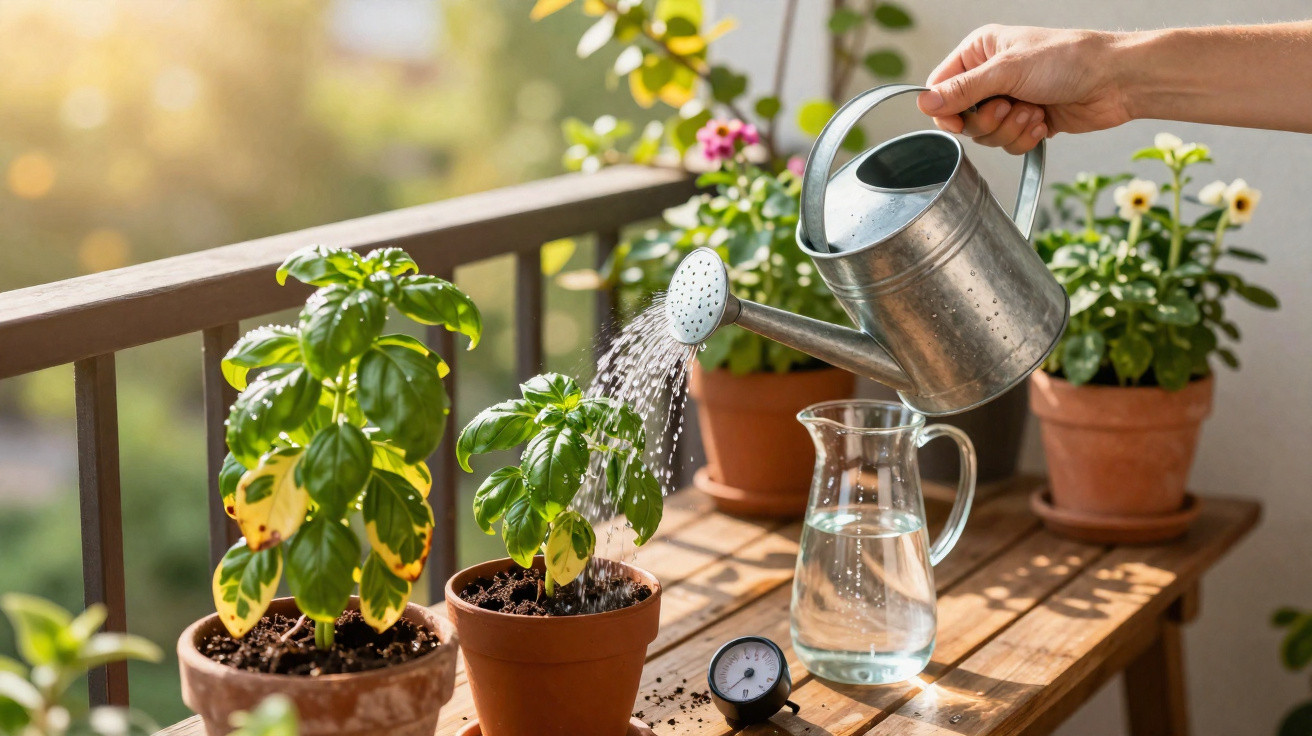
- In a small indoor compost bucket connected to balcony or patio planters
The quiet power of hiding your peels
Once you start slipping peels into the soil rather than leaving them on top, your garden’s rhythm shifts. Instead of “feeding” plants as if they’re pets, you begin supporting the partnership between roots and microbes.
Tomatoes develop sturdier stems. Roses bring out richer tones. Houseplants in pots often hold on to moisture more effectively, because the soil structure improves gradually.
In the end, the peel itself almost vanishes from view; what you’re left with is darker, looser, more forgiving soil that quietly makes up for your occasional lapses in care.
| Key point | Detail | Value for the reader |
|---|---|---|
| Right location | Peels work best when lightly buried in the root zone or active compost | Turns kitchen waste into real, noticeable plant growth |
| Preparation | Chop or tear peels to speed decomposition and reduce pests | Cleaner garden beds, faster nutrient release, fewer fruit flies |
| Moderation | Use peels as a supplement alongside balanced compost or fertiliser | Healthier plants without nutrient imbalances or disappointment |
FAQ:
- Do banana peels work for all plants? They mainly benefit flowering and fruiting plants that like extra potassium: tomatoes, peppers, roses, some houseplants. Leafy greens and herbs benefit more from balanced compost than from peels alone.
- Can I put banana peels directly in potted plants? Yes, but bury small pieces under the surface and use them sparingly. Large or whole peels can rot slowly, smell, or attract gnats in indoor pots.
- Is banana peel “tea” better than burying the peels? Most experts say the famous peel-soaking water is weak and inconsistent. Burying or composting peels gives more predictable, long-term benefits to soil and roots.
- Will banana peels attract pests to my garden? They can, if left whole on the soil surface. Lightly burying chopped peels or sending them through a compost system greatly reduces smells and pest interest.
- Can banana peels replace fertilizer completely? No. They’re rich in potassium but low in nitrogen and other essentials. Use them as a bonus soil booster alongside compost, mulch, or a balanced fertilizer, not as your only nutrient source.

Comments
No comments yet. Be the first to comment!
Leave a Comment