
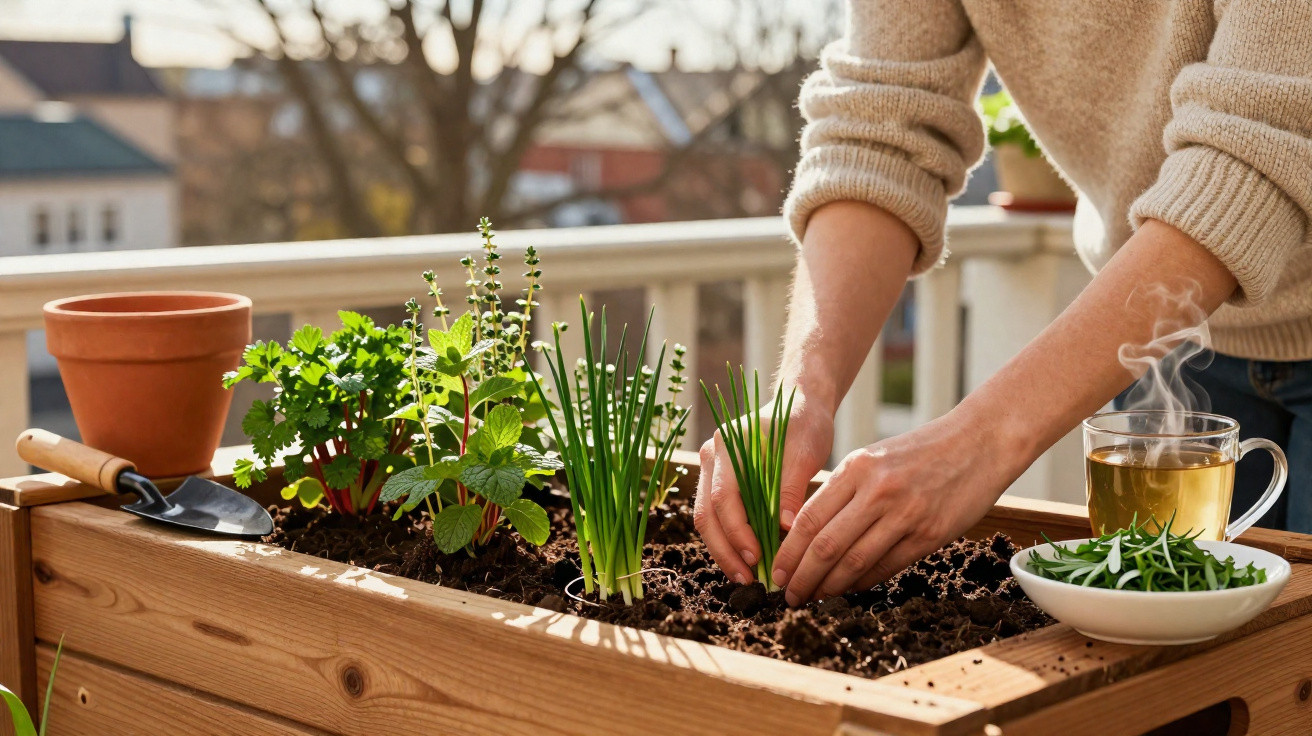
January can still feel sluggish, but your herb garden doesn’t have to be. All it really needs is a small nudge, a bit of planning and a spade.
Plenty of gardeners are still thumbing through seed catalogues and peering out at steamed-up panes. However, there’s a quieter route to earlier flavour, less faff and herbs that return on their own every year. Put a little thought into it this week and you can establish seven dependable aromatic plants that cope with frost and keep the kitchen stocked long after the seed trays have been forgotten.
Why late winter is the secret window for herbs
The tail end of January often seems like the least appealing time to think about fresh herbs. The soil is sticky, the nights have a sharp edge, and the veg patch can look deserted. Yet below ground, perennial herbs are already lining up their spring return.
"Perennial aromatic plants store energy in deep root systems, ready to burst into growth as soon as temperatures creep above freezing."
Unlike annual herbs that demand sowing, pricking out and careful nursing on a windowsill, perennial and long-lived herbs work to a different rhythm. They slow down through the cold, but as soon as the days stretch out, sap begins moving again. The result can be new growth in February, when supermarket pots are still being shipped in from afar or produced under heated glass.
The seven low-effort herbs worth planting this week
Choose sturdy, everyday kitchen herbs that you’ll reach for constantly. Together, these seven make a compact backbone collection for most home cooks:
- Chives
- Sorrel
- Parsley (preferably curly for toughness)
- Mint
- Thyme
- Oregano
- Tarragon
None are unusual or hard to find. They’re the familiar flavours that turn up in countless ordinary meals, from quick omelettes to long, slow roasts.
Chives: the early green arrows
Chives are often the first obvious signal that the gardening year is waking up. Their thin green tubes can spear through thawing soil and even through sloppy snow.
Set chives in sun or light shade, in soil that drains reasonably well. Once they’ve settled, you can snip them again and again from early spring through to autumn. If clumps get congested, split them every three or four years and you effectively renew your supply indefinitely.
"One modest chive clump can provide a handful of fresh garnish several times a week for most of the year."
Sorrel: sharp leaves for heavy winter dishes
Sorrel is tough, tangy and quick to stir in early. The young leaves bring a lemon-like lift to rich winter food, especially dishes built around potatoes, cream or oily fish.
Treat it as a permanent resident; it grows more like a vegetable than a fragile herb. Keep picking the younger leaves to prompt fresh growth and to stop it becoming coarse or overpoweringly strong.
Parsley: the underestimated winter workhorse
Flat-leaf parsley gets most of the attention, but curly parsley typically takes cold conditions in its stride. Once established, it often makes it through winter and then pushes on strongly when temperatures soften.
Give it protection from harsh winds and avoid waterlogged ground. A simple mulch of leaves or compost around the base helps it cope with the hardest frosts.
Mint: the underground conqueror
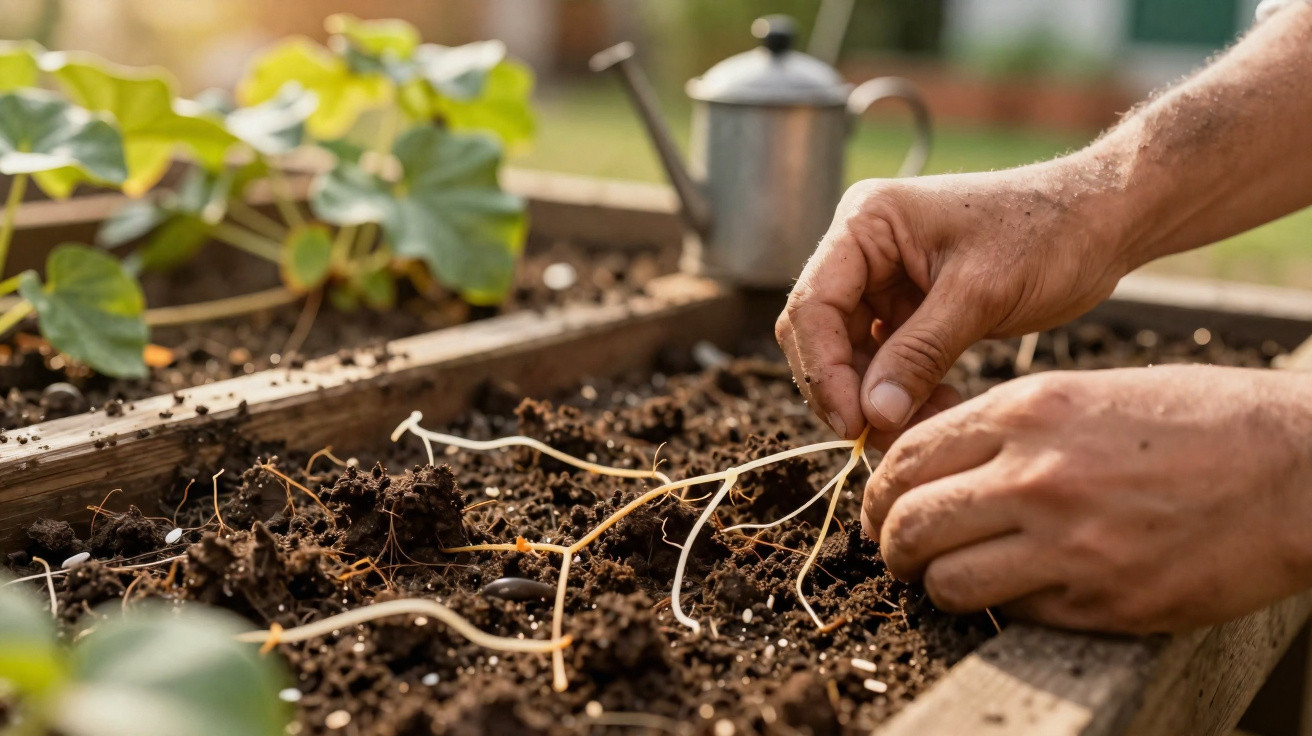
By January, mint can look as though it has disappeared, but it’s usually busy below the surface, spreading through its roots. At the first hint of milder weather, new shoots pop up along those runners.
"Always contain mint in a pot or a buried container, unless you want it marching across your beds."
In the cooler months, those first leaves brighten hot drinks, fruit salads and even lamb. You can also stand a few stems in water on the kitchen counter; they root readily, which means extra plants at no cost.
Thyme and oregano: Mediterranean structure in a cold garden
Thyme and oregano may come from sun-drenched places, but both can manage British winters (and those in the northern United States) as long as they aren’t left sitting in wet soil. In many gardens, they hold on to some foliage year-round, even when there’s frost.
Give them the sunniest, driest position you can. Raised beds, gritty soil, a gravelly strip or the edge of a patio suit them far better than rich, damp ground. They bring depth to marinades, roast meats, tomato sauces and slow-cooked stews when little else is growing.
Tarragon: the sleeper that returns from the roots
French tarragon often dies back completely above ground in winter and can look as though it has vanished. The crown remains alive beneath the surface, then sends up new stems once the soil warms a little.
Go for French tarragon rather than Russian if you want the best flavour. It hates winter wet, so on heavier soils it’s worth mixing in grit to improve drainage. Once it’s established, you can cut sprigs for chicken, eggs and delicate fish dishes well into summer.
How these herbs save you from fiddly early sowing
The real advantage of these seven plants is straightforward: they largely look after themselves. You can skip heated propagators, grow lights and windowsills crowded with seed compost.
"The main job is a five-minute clean-up: snip away dead stems so light reaches the base and soil warms faster."
As late January slips into early February, extra daylight and slightly gentler air are often enough to trigger new growth. Within a few weeks, clumps that seemed dormant start producing fresh, tender stems.
For gardeners who want results without a lot of time, space or patience for technical seed work, this approach fits well. Think of these herbs as a green savings account: they bank energy in their roots, then pay it back in leaves when you most want something fresh.
Turning a bleak February plate into something aromatic
At this stage of the year, meals can be dominated by roots, onions and brassicas. Cutting herbs from the garden can transform the feel of a dish without changing what you buy.
- Mix chives into mash or scrambled eggs for a mild onion warmth.
- Use sorrel to sharpen creamy sauces or broth for poached fish.
- Simmer parsley stems in stock and scatter the leaves over soups and grain salads.
- Slide thyme and oregano under chicken skin before roasting.
- Add mint to hot water with a slice of lemon for a quick herbal tea.
- Stir chopped tarragon into yoghurt for a fast sauce for grilled vegetables.
"A handful of mixed herbs can make cheap winter staples feel more like restaurant food than “using things up”."
Practical planting plan for this week
With the soil cold and the days short, seed sowing is rarely the easiest option right now. Instead, look for small potted plants sold as plugs or cell-grown herbs.
| Herb | Best spot | Key winter advantage |
|---|---|---|
| Chives | Sun or light shade, in beds or pots | Very early shoots, cuts repeatedly |
| Sorrel | Moist but drained border | Sharp flavour for heavy dishes |
| Parsley | Sheltered bed or large pot | Can overwinter and regrow |
| Mint | Pot in partial shade | Regrows strongly from roots |
| Thyme | Sunny, dry ground or container | Often keeps foliage in winter |
| Oregano | Full sun, well-drained soil | Hardy leaves for stews and pizza |
| Tarragon | Sunny, sheltered spot | Resprouts from crown each year |
Plant when the ground is workable and not frozen hard. Firm the soil gently, water once, then let the weather do the rest. If frost is due, spread compost or leaf mould around the base as a protective mulch.
Small risks and how to manage them
A few avoidable problems are worth keeping in mind. In winter, roots can rot in waterlogged soil-particularly thyme, oregano and tarragon-so drainage matters more than feeding. In very exposed positions, icy winds can scorch foliage; if that’s your garden, place herbs near a wall or fence.
"If in doubt, use containers: pots let you control drainage, move plants for shelter and keep mint from running wild."
Also, resist stripping tiny new plants in their first year. They need time to develop a strong root system. A little picking is fine, but leave enough growth for the plant to recharge.
Extra gains: pollinators, children and low-cost flavour
These seven herbs offer benefits beyond the saucepan. When they flower later in the year, they provide nectar and pollen for bees, butterflies and hoverflies. Chive pom-poms and thyme blooms, in particular, can become a magnet for pollinators, which supports nearby fruit trees and vegetable crops.
They also make excellent starter plants for children and for beginners who feel unsure. The growth is visible, the scent is immediate, and most of these herbs are forgiving. Even if a pot dries out once or twice, the plant often recovers.
From a budgeting point of view, one tray of young herbs is often cheaper than a month of plastic-wrapped supermarket bunches. The difference is that planted herbs keep producing for several seasons, needing only occasional watering and the odd trim.
Get them in now-even while your breath still fogs the air-and when late-winter stews begin to feel a bit samey, you’ll be able to step outside with scissors and cut your way to something fresher.


Comments
No comments yet. Be the first to comment!
Leave a Comment